A pumping bra also known as a hands-free bra holds your breast shields during expressing leaving your hands free to operate the controls. The new Medela Easy Expression bustier is compatible with Medelas electric pumps like Swing Swing maxi Freestyle and Symphony.
 Jual Medela Breast Pump Freestyle Kab Bandung Baby Hanania Tokopedia
This leaves busy moms free to do other thing s even chores as their breasts are being pumped.

Medela hands free breast pump. Some pumping bras have straps but these can make them tricky to put on in a hurry. It also makes it much easier to operate the breast pump controls and deal with your bottles or bags of expressed milk. The Medela hands-free pumping bra is made of a nylon spandex blend and seamfree technology.
September 2019 - August 2020. Using a hands-free pumping bra means you can collect milk for your baby while youre on your phone or laptop reading having a snack or playing with an older child. With a specialty bra this pump can be used hands-free.
Medela Sonata Smart Double Electric Breast Pump. The store will not work correctly in the case when cookies are disabled. It includes thoughtful features and provides true mobility freedom and flexibility.
The new Medela Easy Expression bustier is compatible with all Medelas electric pumps like Sonata Freestyle Pump In Style and Symphony. Breast Milk Feeding Report. The benefits of hands-free expression.
Medela Freestyle is a hands-free double electric breast pump. The Medela Easy Expression Bustier makes hands-free pumping easy and convenient. The Medela hands-free pumping bra is made of a nylon spandex blend and seamfree technology.
Wearing the bustier while pumping allows you to work read take care of children or complete household tasks all while pumping. The Easy Expression Bustier is machine washable and 93 cotton. Expressing means your baby can still benefit from your breast milk.
Allows for mobility while pumping. This Medela Sonata hands-free breast pump connects to the My Medela app that will allow you to personalize track everything and you will be able to access the wealth of breast milk feeding resources. FEATURES BENEFITS Daily use - double pump - electric.
This also means you can get on with other things while pumping ideal for busy mums. The Medela Freestyle is a compact portable hands free breast pump with a rechargeable battery and lightweight design for easy mobility and on-the-go pumping. Qualify Through Insurance Now Qualify.
A truly hands-free experience. Add both products to basket and enter HANDSFREE at checkout. Designed for moms who pump several times a day.
The benefits of hands-free expression. Breast pumps Medelas range of breast pumps covers all the potential needs of breastfeeding mums. Strapless design with no-slip support keeps bustier reliably in place.
An innovative pump that fits in the palm of your hand the Medela Freestyle breast pump is a double electric pump with the high level of performance you can expect from Medela. When pumping at Maximum Comfort Vacuum in the expression phase. Freestyle a double electric breast pump was engineered with our 2-Phase Expression technology which produces more milk in less time when double pumping and was designed with moms who pump several times a day in mind.
Medela 2017 Managed Markets Pulse Study. Reinforced openings hold breast shields securely. Using a hands-free pumping bra means you can collect milk for your baby while youre on your phone or laptop reading having a snack or playing with an older child.
The combination of Medelas silicone-lined flanges and the Medela Hands-Free Pumping Bra sold separately make this the most comfortable option for hands-free pumping according to almost every. Compact pump weighs less than one pound. What is a pumping bra.
It also makes it much easier to operate the breast pump controls and deal with your bottles or bags of expressed milk. Shop Hands-Free Breast Pumps at Aeroflow Breastpumps Multitask while pumping. Hands-free pumping the best for you.
The quiet pump means moms can discreetly pump milk at work without everyone in the office hearing the pump operating. Find out how to choose the best breast pump for your needs and lifestyle the benefits of double pumping and hands-free expression and how to store freeze and thaw your breast milk. For that reason only use the accessories that came with or are identified by Medela to work with your specific breast pump model.
Hands-free so you can do other things while you pump. Pumping essentials from top brands like Freemie Elvie Medela and more. If you want to try hands-free pumping using a pumping bra such as Medelas Easy Expression Bustier makes it simple and convenient plus it has a secure fit for added confidence.
Icon of phone 1-844-867-9890. Fits in the palm of your hand. LOVELYBOBO 2 Pieces Hands-Free Pumping Bra Nursing Bra Wireless Adjustable Zipper Breastfeeding Bra for Holding Breast PumpsM-XLBlackNude 42 out of 5 stars 608 2299 - 2399.
From initiating breastfeeding for a prematurely born baby with the highest-standard hospital-grade breast pump Symphony available to rent to expressing milk to cover the odd night out with the high-performance manual pump Harmony to exclusive breast milk pumping with our top individual-use. Get an Easy Expression Bustier and your Freestyle Flex Breast Pump for 26999.
Fortunately you can prevent sleep problems at night during separation anxiety phases with a few simple ideas and techniques right. In fact separation anxiety can be one of the major factors involved in the 8910 month sleep regression.
 Separation Anxiety In Babies Baby Care Huggies
Parents tend to think about separation anxiety in babies and toddlers but older kids can grapple with it too.
Separation anxiety at night in babies. Separation anxiety in older babies and toddlers is normal and a good sign because they are at a point where they are forming bonds with their parents or caregivers. But parenting does play a role especially in fighting it. A baby whos deep in the throes of separation anxiety certainly wont want to be left alone to nap or to sleep all night.
Your baby might also start waking up early. Does your baby cry when you leave the room. Studies have shown that babies pick up on key phrases as early as three months of age she adds.
Create a bedtime routine. You can stop Nighttime Separation Anxiety in kids with these 8 tips that will help your child to fall asleep. Even something as simple as bedtime can be a cause of anxiety for your baby.
Its often a developmental phase a stage of sleep regression kids will pass on their own. Some parents are frustrated when this stage happens but its completely normal and truly a wonderful milestone in babys development. It usually gets better by the time your baby turns two.
Thankfully separation anxiety at night doesnt last forever. Your baby can also experience separation anxiety at night safely tucked in her crib with you right in the next room. The Good News about Baby Separation Anxiety Its a positive healthy sign.
Separation anxiety can lead to disrupted sleep. Positive Aspects of Separation Anxiety. Each baby is different but typical baby separation anxiety is said to occur somewhere between 7-18 months and last about 2-5 months.
This can mean less sleep. Stick to say what you mean and mean what you say which helps instill. Another reason could be the physical changes that make it harder for them to sleep through the night on their own such as teething or an ear infection.
If your child has separation anxiety at bedtime this can make every night a. Most commonly separation anxiety strikes when you leave your child to go to work or run an errand. Often anxiety happens when babies and children are afraid to be left alone and can lead to them having difficulty sleeping by themselves at night.
Bedtime is one of my favorite times of the day time to cuddle with our kids hear about their day hear all of their dreams and hopes but at the same time- it is one of the most stressful times of the day. Having one in place can make a difference because it can set your babys expectations by keeping to a consistent pattern. Even though nocturnal separation anxiety can be a tiring and difficult stage to pass through take comfort in the fact that there are a couple of ways this phase shows your child is making some healthy emotional and intellectual advances.
Put your baby in the crib and say something like Good night I love you several times in a row. Here are a few strategies you can try to lessen separation anxiety at night. Separation anxiety at night usually starts when your baby is around 6 months old and peaks between 10 and 18 months.
Dont come in a few seconds later after your baby cries. Separation anxiety means baby has the cognitive ability to understand that you exist even when he cant see you. Its a way to give them comfort and support Remember that when your baby is sick or extra-tired their separation anxiety may ramp up.
Separation anxiety in your baby starts basically because theyre getting smarter. In fact grade-schoolers and teenagers can have separation anxiety disorder which is an extreme fear of being without a parent or caregiver that is out of proportion to the danger it actually poses. Separation anxiety affects children and babies differently.
If your child experiences separation anxiety at night you may notice that they struggle to go to sleep wake more frequently or even appear to wake up from nightmares. It will lessen and pass. When you leave her room she has no way of knowing if youll come back.
Signals a strong bond with a parent. So if youre going to say good night to your baby at night or say bye-bye when you leave a room mean it. Many children that experience any separation anxiety do so without a clear reason.
Leave the nursery door open. Baby separation anxiety is an often unrecognized cause of disturbed sleep. Nighttime separation anxiety is basically just a fear of being alone at night away from the parents.
Your child refuses to settle at night or for naps stops sleeping through the night often wakes up crying cant self-soothe anymore etc. If youve noticed that your child has. It sounds like baby may be experiencing the beginning of separation anxiety.
And this makes sense. Separation anxiety and fear Toddler night waking is commonly due to separation anxiety. Your baby might feel comforted knowing he can still hear you in the other room.
What are the signs of separation anxiety at night. During this phase of emotional development your baby may get up several times during the night and cry for you or your partner. Some parents find this night time separation anxiety appears again when their baby is around 18 months to two-years-old.
Separation anxiety in babies is an absolutely normal and healthy phase of child development. Separation anxiety usually eases by the time babies are about 24 months old.
Lactation consultant Shari Criso. Freshly pumped breast milk can be stored at room temperature no warmer than 77 F ideally for up to four hours if its not in direct sunlight or close to other sources of heat.
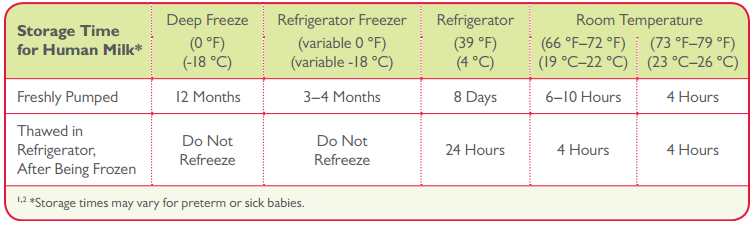 Breast Milk Storage And Handling Insured Ameda Direct
Place the container under the breast and lean over it.
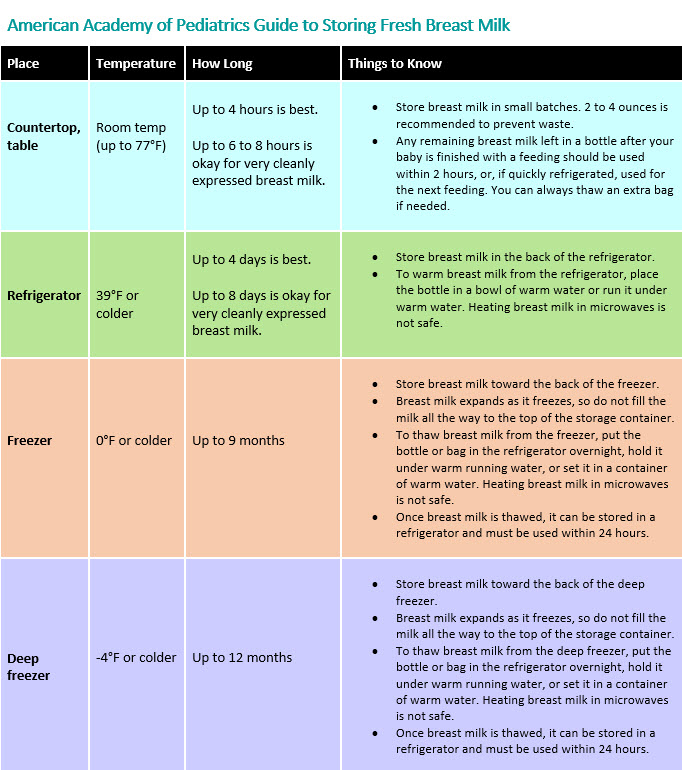
Storing pumped breast milk. Freshly pumped milk can be stored in a cooler with frozen ice packs for up to 24 hours. Once you understand how to store and reheat breast milk it will give you a lot more flexibility. In the refrigerator it lasts for 3 to 8 days.
4 to 6 hours at room temperature. If you are transporting fresh breast milk from home to the hospital place it either in a bag of ice or in a cooler filled with ice. Option 1- Keep at room temperature- freshly expressed milk is good at room temperature up to 77 degrees for 4 hours.
Tips for Freezing Breastmilk q Freeze milk in small amounts about 2 to 4 ounces. In the refrigerator for up to 4 days. Helping you plan feeds not only around your babys routine but your own schedule too.
The life of breast milk varies based on how it is stored. Date milk before storing. You can moisten the rim of the breast flange before pumping if you want to create a better seal on the breast.
Q When traveling short distances with pumped milk put containers in an insulated cooler bag with ice or frozen cooler packs. Common breastmilk storage guidelines state that breastmilk can be safely stored for. Breast pumping is a great way to help you have a consistent stock of breast milk ready for when your baby needs it even when you arent able to breastfeed.
Get tips on pumping your milk and storing it safely. Use it or lose it. Keep in mind that research suggests that the longer you store breast milk whether in the refrigerator or in the freezer the greater the loss of vitamin C in the milk.
In a cooler with ice packs it lasts up to 24 hours. Lansinoh Milk Storage Bottles connect to any Lansinoh breast pump and nipple for feeding. Frozen breast milk should be packed tightly into an insulated cooler without ice.
Now she wants to know how to safely store the milk and later feed it to her daughter. Grasp the areola by putting your thumb on the top and your forefinger on the bottom. In the fridge for up to 8 days at 4C or lower you can buy fridge thermometers online if you are not sure of the temperature of your fridge or it is higher than 4C use it within 3 days for 2 weeks in the ice compartment of a fridge.
Freshly expressed or pumped milk can be stored. How To Store Breast Milk After Pumping. Thawed previously frozen breast milk can only stay at room temperature for one to two hours.
If you follow the timeframes in the breast milk storage guidelines you can keep your milk at room temperature then refrigerate it and then freeze it. Any extra pumped breast milk that is not used to feed your baby should be frozen within 96 hours of pumping. They also have volume marks and hold up to 5 ounces of milk.
Like the Medela theyre BPA- and BPS-free and. Freshly expressed breast milk can be stored in the back of a deep freezer for up to 12 months but using the frozen milk within six months is optimal. You can store breast milk in a sterilised container or in special breast milk storage bags.
Freshly pumped breast milk can be stored at room temperature no warmer than 77 degrees F ideally for up to four hours as long as its not in the direct sunlight or any other sources of heat. At room temperature less than 77F it lasts up to 6 hours. Some mothers prefer to center the breast flanges on the nipple and areola first and then turn the pump on.
Here are the breast milk storage guidelines for freshly pumped milk. Q Refrigerate or chill your milk after you pump it. Shari Criso a nurse midwife and lactation consultant will be showing Kim how its done.
Kim mom of 4-month-old Natalie has learned how to pump her breast milk. And can be store up to six hours if milk expressed under very hygienic conditions. Option 2- Refrigerate it- Breast milk is good in the refrigerator for up to 4 days.
Press the breast tissue back toward your chest and squeeze your thumb and finger together rotating forward just behind the areola. Others turn the pump on first and then place the flanges over the breasts. Storing Pumped Breast Milk If you have a good supply of breastmilk and your baby is nursing well you may quickly build up a supply of pumped breastmilk that you now have to store safely.
Never store breast milk in disposable bottle liners or plastic bags that are not intended for storing breast milk. Pumping and storing breastmilk Whether youre going back to work want to have your partner help with feedings or want to make sure you have breastmilk for your baby if you are away for a few hours you will need to pump and store your breastmilk. Q Store milk in the back of the refrigerator not on the door.
Breast milk storage guidelines Storage times may vary for preterm or sick babies. Start the pump at the low or minimal suction setting. At room temperature 77F or colder for up to 4 hours.
Milk from different pumping sessionsdays may be combined in one container use the date of the first milk expressed. To avoid waste and for easier thawing warming store milk in 1-4 ounce portions.
This carries on until they are six months old when solid food is introduced alongside formula milk. Yes in the early days of parenthood youll be feeding your little one every 2 to 4 hours.
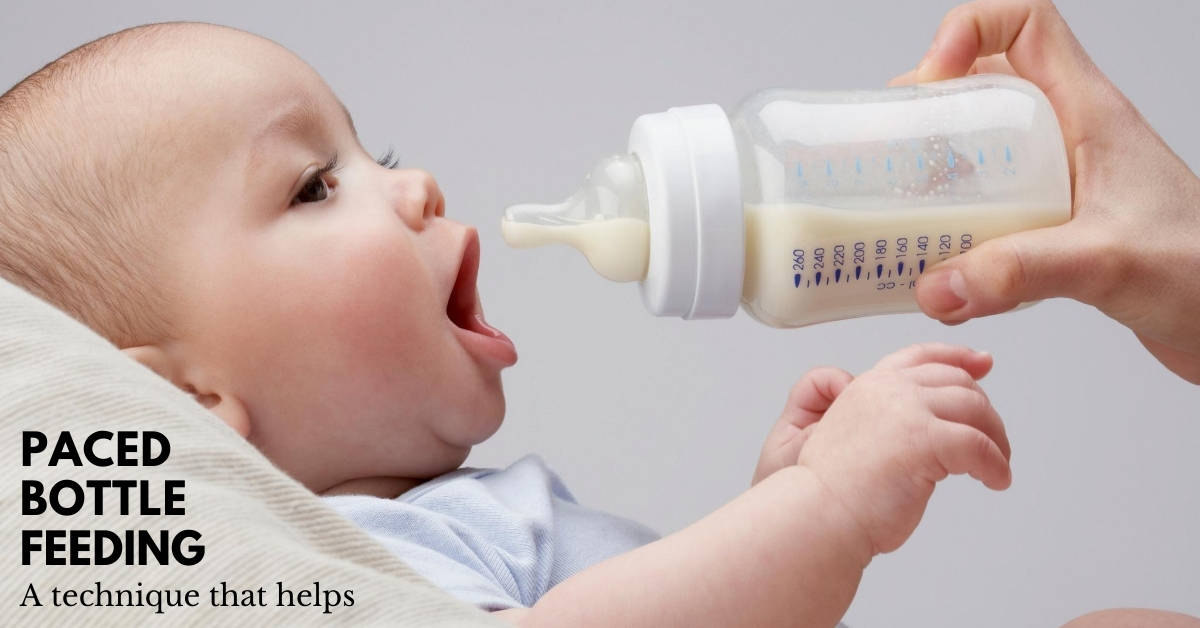 Paced Bottle Feeding My Kids Lick The Bowl
When your child gets to be 4 to 8 weeks old theyll probably start nursing seven to nine times a day.

How often to bottle feed newborn. Burp the baby every few ounces. Let her feed for as long as she wants to. As your baby grows she will be able to manage larger feeds and have longer breaks between bottles.
Look for early signs of readiness to feed such as moving the hands to the mouth sucking on fists and fingers and lip smacking. Babies who drink expressed breastmilk may need to eat more often as breastmilk is metabolized faster than formula. Typically newborn kids need to be fed every 2-4 hours the first 3 days and then you can gradually start spacing out the feedings.
A puppy has to be fed at least every 2 hours or as often as possible at one week of age. As solid food is slowly introduced from around six months of age your baby will gradually drink less infant formula. Bottle feeding tips for feeding newborn babies.
If shes had enough of a bottle dont force her to drink more. Newborns sleep in short bursts such as 30 to 45 minutes or even 3 to 4 hours. Fussing and crying are later cues.
1 In order to bottle feed the kitten you will need to gather a few supplies. If your baby is newborn she will need to feed little and often so offer a bottle every two hours or three hours. Talk with your childs doctor or nurse about how much infant formula is right for your baby.
As a general rule by the end of the first week most babies will require approximately 150ml to 200ml per kilogram of body weight per day until theyre six months old. Your baby will feed around 6 times a day. The second week they should have around five feedings a day.
If your baby cant always feed directly from your breast you might choose to bottle-feed with expressed breastmilkOr you might need to feed your baby infant formula which is the only safe alternative to breastmilk. As a newborn your baby will likely consume around 2 ounces per feed. Your baby will feed 7 to 9 times per 24 hours.
Brush the teat against your babys lips and when your they open their mouth wide let them draw in the teat. Learn all about paced feeding plus get tips on cleaning baby bottles and more. As your baby grows his or her belly grows too.
How Often to Bottle Feed Newborn Puppies. Check the temperature of the contents of the bottle before feeding baby newborns prefer lukewarm. Keep the teat full.
In general a formula-fed newborn will eat 24 fl oz 59118 mL of formula 6-8 times every 24 hours up until 2 months old. How often to bottle feed puppies. You should feed the lamb at intervals that mimic natural feeding behavior.
Always give your baby plenty of time to feed. Have a bib and burp cloth close at hand. When bottle feeding keep the teat full of milk otherwise your baby will take in air.
For example a baby weighing 6kg at the end of four months would approximately need 900ml to 1200ml of infant formula per day. Your baby will be able to drink more infant formula at each feeding and the time between feedings will get longer. As they get older the feedings may.
Hold your baby fairly upright for bottle feeds. 1 to 3 months. Most infant formula-fed newborns will feed 8 to 12 times in 24 hours.
Newborns should nurse eight to 12 times a day for the first month. The sooner you begin each feeding the less likely youll need to soothe a frantic baby. After 7 days most newborn babies will need approximately 150-200ml of formula per kilogram of their weight each day.
And then 3-4 times a day until its 4-5 weeks of age. Its very important to weigh bottle fed kids weekly to assure that they are gaining weight especially for the first couple of weeks. How Often To Feed Newborn What is a newborn.
During this time your little ones sleep schedule is going to be quite unpredictable. Depending on its size and condition your newborn kitten will need approximately nine to 12 daily feedings. After a couple of weeks from birth your pup can now tolerate 4 to 5 meals per day.
Puppies should be fed every two hours the first week. Before you bottle-feed your baby its important to know how to clean and sterilise bottle-feeding equipment as well as how to prepare store and warm. Most newborns need eight to 12 feedings a day about one feeding every two to three hours.
For the first two weeks of life you will need to count on feeding the kitten every two hours during the day and every four hours overnight. Find out how often to give your baby a bottle why its not a good idea to mix breast milk and formula and how to warm a baby bottle and if you need to. Feedings take place 6 to 8 times in 24 hours.
Support their head so they can breathe and swallow comfortably. Find a comfortable spot to feed the baby like the couch or a supportive chair. For the first two weeks of age you will need to bottle feed a lamb at least 4 times a day.
Puppies should have approximately eight feedings a day during the first week. Babies are considered newborns from the time they were given birth to until 3 months of age.
So lets say four babies who nurse for five years each. Some babies may feed as often as every hour at times often called cluster feeding or may have a longer sleep interval of 4 to 5 hours.
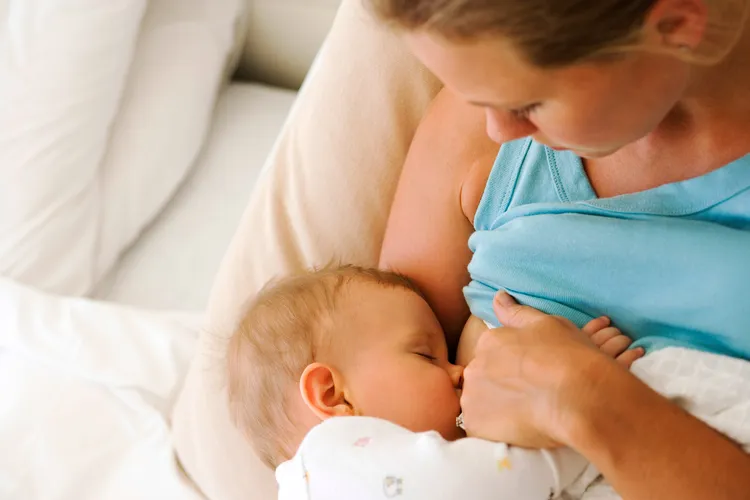 The Benefits Of Breastfeeding For Both Mother And Baby
How long should I breastfeed.
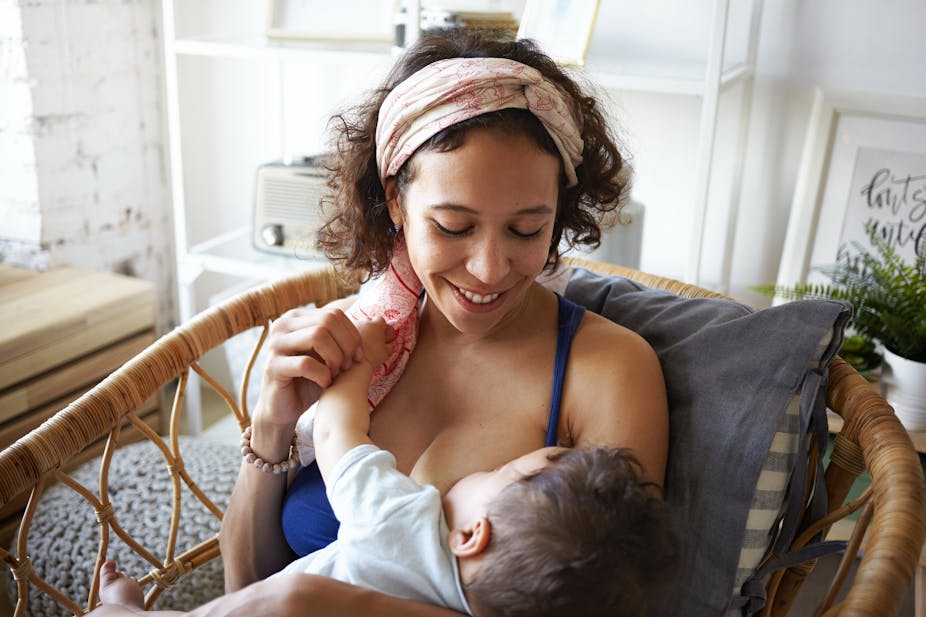
How long should a woman breastfeed. Or refer you to specialists. In the UK experts advise exclusive breastfeeding for the first six months. Breastfeeding Challenges The time it takes to breastfeed depends on a few things including your babys age and your breast milk supply.
This is the standard even if your milk has. How long you keep breastfeeding for is your decision. This is different from woman to woman.
Feeding involves practical and emotional issues and many factors influence the decision to extend breastfeeding or completely stop breastfeeding. The average length of time for breastfeeding was. Diagnose your medical condition.
After that the AAP. The American Academy of Pediatrics and the World Health Organization suggest feeding a baby only breast milk if you can swing it for six months. The American Academy of Pediatrics recommends that infants be exclusively breastfed for about the first 6 months with continued breastfeeding along with introducing appropriate complementary foods for 1 year or longer.
Experts recommend that you feed your baby only breast milk until he or she is 6 months old. Most women in Western cultures set goals for breastfeeding of between three and 12 months but in other areas of the world it is normal to breastfeed for two years or longer. How long should a mother breastfeed.
A general rule is around 15 minutes on each breast. These illnesses include respiratory lung infections allergies asthma and stomach problems. Exclusive breastfeeding is recommended up to six months of age with continued breastfeeding along with appropriate complementary foods up to two years of age or beyond.
The breasts have a major job to do and only 9 months to do it in. You can keep breastfeeding after the babys first birthday for as long as you and your baby would like. While three out of four mothers reported some breastfeeding only 2 percent of the total sample reported breastfeeding up to the age of 24 months.
In fact extended breastfeeding has plenty of benefits for brain development the immune system and mother-child bonding. Exclusive breastfeeding is recommended for the first 6 months of a babys life. Call the OWH HELPLINE.
Breastfeeding for the first 6 months can decrease your babys risk for illnesses. There is no real limit. They have to continue to develop beyond that adult stage that all women will eventually reach.
Over the first few weeks and months the time between feedings will start to get longer on average about every 2 to 4 hours for most exclusively breastfed. INSIDER spoke with an OBGYN a pediatrician and a lactation specialist to figure out how long you can andor should breastfeed. ET Monday Friday OWH and the OWH helpline do not see patients and are unable to.
Youll want to try pumping long enough to empty the breast. IF YOU BREASTFED YOUR BABY FOR 18 MONTHS you will have continued to provide nutrition comfort and illness protection for your baby at a time when illness is common in weaned babies. The National Health and Medical Research Council recommends breastfeeding for a year or for as long as mother and baby desire because it helps ensure normal nutrition and health for your baby.
She has to be able to provide enough milk to feed her infant. You can definitely nurse beyond the one year guideline. The majority are finished by seven.
World wide the average weaning age is four years and some nurse for longer than that. Breastfeeding should continue up to the babys first birthday as new foods are introduced. An average feeding can last 10 to 20 minutes but a baby can breastfeed anywhere from 5 to 45 minutes at each session.
The World Health Organization and all three doctors recommended breastfeeding for six months but they said if youre unable to thats okay. WHO and American Academy of Pediatrics AAP suggest that mothers across the globe exclusively breastfeed infants for the first six months of life. In many parts of the world its usual to breastfeed for two years or even longer.
Before having a baby most women have an idea of how long they aim to breastfeed their baby for. The doctors also said you can breastfeed for as long as you want and are able to. This means no other food or drink besides.
Some women with smaller sized breasts revel in the fact that they actually have some boobs.
It is estimated to affect around 7 of babies under 1 though most children grow out of it by the age of 5. Although cows milk protein sensitivity and lactose intolerance are not the same thing they can sometimes occur at the same time since food allergy can cause secondary lactose intolerance.
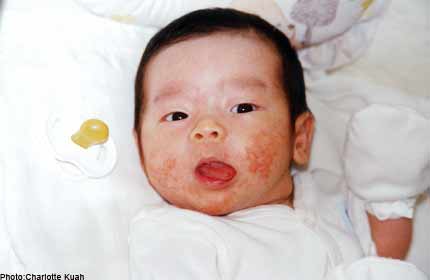 Children Who Are Allergic To Cow S Milk Protein Health News Asiaone
Thats why milk intolerance is also called lactose intolerance.

Infant milk protein intolerance. If your baby has Cows milk protein intolerance CMPI he might have colic-like symptoms and be wheezy vomit have diarrhea including bloody diarrhea constipation a rash eczema andor a blocked nose. CMA typically develops when cows milk is first introduced into your babys diet either in formula or when your baby starts eating solids. Cows milk allergy CMA also called cows milk protein allergy is one of the most common childhood food allergies.
A milk protein allergy most often happens in babies who are fed cows milk formula. This condition is called proctitis or proctocolitis and predominately occurs in infants according to Dr. If your GP or an allergy specialist has confirmed that your infant has a cows milk allergy also known as cows milk protein allergy no doubt you will wish to ensure that your babys diet is.
Milk protein intolerance is a condition where the gut of younger children specifically infants is sensitive to milk proteins says Mark Moss MD a pediatric allergist at the University of Wisconsin Hospitals and Clinics. See Is my baby lactose intolerant. Cows milk protein allergy CMPA appears to be the most common MPA with controlled challenge trials demonstrating an incidence of 2 to 5 among formulafed infants level I evidence1 The incidence in breastfed infants is 04 to 05 according to 2 trials level I evidence 23 but might be as high as 21 level II evidence4 Determining the incidence of allergy to milk.
It occurs when a formula-fed or breastfed baby cant digest the sugar in milk called lactose. These diagnoses comprise about half of all cows milk allergies. Milk intolerance on the other hand has nothing to do with cows milk proteins or the immune system.
This may cause a reaction in an allergic baby. What is milk protein intolerance. Lake associate professor of pediatrics at Johns Hopkins University School of Medicine.
Instead it involves the digestive system. FPIAP is commonly seen in healthy full-term infants who present with rectal bleeding and are otherwise well-appearing. This can occur in both formula-fed and exclusively breastfed infants.
If your baby is sensitive to dairy products it is highly unlikely that the problem is lactose intolerance although many people may tell you so. Milk protein allergy occurs when an infants immune system mistakenly identifies milk protein as a foreign and potentially dangerous substance. A milk allergy is a babys overreaction to the proteins found in cows milk.
The immune system forms an antibody known as immunoglobulin E or IgE specifically to the milk protein. It is not lactose intolerance and most but not all children outgrow it. An actual allergic reaction to milk protein is much less common.
Milk protein intolerance can cause inflammation in the large intestine and rectum resulting in blood-tinged stools. Ive talked before on my blog about my experience with both of my children who both had a milk. Sometimes known as MilkSoy Protein Intolerance or milk protein hypersensitivity Allergic Proctocolitis is a gastrointestinal allergy that causes bloody stools and fussiness in infants.
There are various names for this including cows milk protein allergy CMPA cows milk protein intolerance CMPI food sensitivity and related conditions such as allergic proctocolitis or food protein-induced enterocolitis syndrome FPIES. Fortunately cows milk protein allergy resolves in 90 of children by the age of 6 years. Large protein molecules from cows milk can pass into human milk fairly intact and it is these particles that can bother a sensitive baby.
It is more common in babies who have eczema. This site was designed to provide information on Allergic Proctocolitis to families physicians dietitians and lactation. The most common manifestation of cows milk allergy in infants is FPIAP.
Between 5 and 15 of infants show symptoms suggesting adverse reactions to cows milk protein CMP 4 while estimates of the prevalence of cows milk protein allergy CMPA vary from 2 to 75 15 6. When the infant encounters the protein in the future the IgE recognizes it and initiates a. Milk protein intolerance is a condition in which your infants immune system reacts to milk protein.
A mother who drinks cows milk however will transfer the alpha S1-casein and whey protein to her child through her breast milk. It is among the most common types of allergies in children affecting 2-7 of children worldwide. 50 of infants will have tolerance at age 1 year and more than 75 will have resolution by 3 years of age.
This article discusses infant food allergy with a particular focus on milk allergy in babies. It is often called MPI Milk Protein Intolerance or MSPI Milk and Soy Protein Intolerance. During an allergic reaction an infants immune system sees milk proteins casein and whey as a foreign material.
This occurs when the bodys immune system perceives cows milk protein as harmful and causes an allergic.
Both breastfeeding and pumping have physical effects on your body and Ill explain more about that below. The actual amount of calories you burn will depend on a few things including.
 How Many Calories Does Pumping And Breastfeeding Burn Love Our Littles
Therefore its very easy to calculate of your caloric output from milk each ounce of breast milk has 20 calories 10 mls has 68 calories and this energy isnt spontaneously created in your boobs.
How much calories does breastfeeding burn. Breastfeeding burns an average of 500 calories a day. While burning 500 calories when breastfeeding sounds like a lot its important to keep in mind that you need to be bringing in extra calories before you can burn them just like when you were pregnant. Calories burned breastfeeding twins should consume 100 calories more so the difference is not significant but it does require more energy.
Breastfeeding typically burns anywhere from 200-600 calories per day. According to the American College of Obstetricians and Gynecologists a breastfeeding woman can burn up to 500 calories a day. Making breast milk and breastfeeding burns calories.
Most professionals estimate that the calories burned by an exclusively breastfeeding woman are approximately 670 Calories per day Dewey 1997. The short answer anywhere between 300 and 700 calories per day. Part of the reasoning behind this lies in whats in the actual breast milk.
A healthy breastfeeding mother burns around 300 to 500 kilocalories Kcal per day by producing milk 4. After youve given birth it then helps you lose it by breastfeeding which can burn 300-500 calories a day. All the drama with nipple cream middle of the night feedings and constant thirst is worth it not just for you little babys health but also because of breastfeedings fat-burning potential.
This results in a 325 500 calorie deficit. That would make it an. While breastfeeding burns about 500-700 calories extra per day to fuel milk making this may not always contribute to weight loss postpartum many factors like pre-pregnancy weight diet physical activity level etc will impact weight loss after birth Institute of Medicine 2002.
Moms burn about 500 extra calories a day while producing breast milk which could lead to faster weight loss after birth. Breastfeeding can also help you manage or lose your postpartum weight. So if you pump 20 ounces per day you are using 400 additional calories to feed your baby.
On average breastfeeding can burn between 200 and 600 calories per day. The average lactating woman who is breastfeeding a newborn produces between 25 and 32 ounces of milk every 24 hours. How often you breastfeed.
Your body generally burns between 200 to 500 extra calories a day while youre breastfeeding. How many calories does it burn. Its hard to estimate the exact number of calories youll burn because there are so many factors at play.
An average milk supply is 30 ounces a day. In a day a nursing mother of one will burn around 2200 to 2500 calories. Taking all of these numbers and variables together exclusive breastfeeding burns around 500 to 670 extra calories per day.
However a number of studies have estimated that the average calorie content of breast milk is around 65 calories per 100 ml or 19 to 20 calories per ounce source. Andrea Tran RN IBCLC a registered nurse and lactation consultant explains. How Many Calories Does Breastfeeding Burn.
If gradual weight loss is desired adding an additional 500 calories per day is recommended to a womans normal calorie requirements when not breastfeeding. The number depends on how frequently youre nursing whether youre supplementing with formula and how much milk your body produces. Calculations are shown below.
A breastfeeding woman can burn up to about 500 calories per day just by feeding her baby. Pumping breast milk also burns calories. It will depend on if your child is exclusively breastfed the number of ounces per day consumed and the number of ounces per day that you produce.
Studies show that our bodies burn approximately 20 calories per ounce of breast milk that we produce. As soon after the birth of your baby you may be roughly burning some 300 calories in a day because of your babys limited milk demands but as your baby grows the milk supply increases and thus you may burn up to 700 calories in a day. Another reason for weight loss due to breastfeeding can be the physical toll it takes on your body.
If your baby eats 19-30 ounces a day thats anywhere between 380-600 calories burned. This calorie expenditure could contribute to postpartum weight loss but may also be influenced by other factors such as postpartum weight physical activity levels and diet of a woman. The number of calories burned will vary.
The average calories burned from breastfeeding in a day may range from 300 to 700 calories.