Zinc is a mineral that is essential for cellular enzymatic functions. The risk is lowest for healthy babies 6 months and older who can move drugs through their bodies efficiently.
 Breastfeeding And Antiobiotics What You Need To Know
Aspirin is one of those medicines that have to be avoided when you are breastfeeding.

Medicine breastfeeding moms can take. Hence you should pay close attention when consuming any medications while breastfeeding. First I want you to know that it is a myth that you must quit breastfeeding if you are going to be treated for postpartum depressionIm always saddened to hear of moms who refuse to seek treatment because they are afraid they will be made to quit or whose doctors tell them they must because. These drugs are not safe for breastfeeding moms to take.
This helps minimize the antiplatelet effects. The list of medicine you can take while breastfeeding safely is quite limited. According to the AAP health care providers should weigh the risks and benefits when prescribing medications to breastfeeding mothers by considering the following.
Its used in Claritin and you can purchase it as a generic allergy medication. The main ingredient in Benadryl is diphenhydramine while in Chlor-Trimeton is chlorpheniramine. The nasal gel preparation is recommended over oral drops.
If you find these two active ingredients in other similar medicine know that they could affect your mood and reduce your energy. Zinc Gluconate is considered safe for breastfeeding moms and their babies. Amount of the drug excreted into human milk.
If antibiotics are prescribed by the doctor then the breastfeeding mother can safely consume it as it does not affect her breast milk. Besides cold medicine breastfeeding mothers can use there are also some alternative remedies to try. Many mothers need to take medicines during their pregnancy and almost all medicines pass into breast milk in small quantities.
The recommended daily allowance is. Extent of oral absorption by the breastfeeding infant. Other helpful things may include therapy and lifestyle changes.
Acetaminophen the medicine found in Tylenol has been well studied in breastfeeding moms. Ask your healthcare provider if there is a safer alternative you can take. Generally lozenges throat sprays and cough drops are also safe.
Medication is one prong of the approach to treating the condition. Potential effects of the drug on milk production. Often found in Robitussin Mucinex and more Dextromethorphan has been studied in breastfeeding women and is considered safe.
It is essential that you steer off drops that contain high menthol content because they can reduce milk supply. The issue of which drugs are safe to take during lactation is quite complicated. If you have to take aspirin or have taken it by mistake you need to avoid breastfeeding for at least 1 or 2 hours.
However many mothers will need to take medications of some type during breastfeeding whether it be short-term for a sore back or a runny nose or longer-term for a chronic condition like high blood pressure. Top 20 Breastfeeding Searches. However women with conditions like asthma bronchitis diabetes and liver disease should not take the medicine as it could make their condition worse.
Loratadine is one of the safest options. Depression is a serious illness requiring treatment. Very small amounts of the drug pass into the breastmilk but its not enough that it affects the baby and it doesnt affect your milk supply.
The vast majority of medications can be taken without harm to the baby. Guaifenesin has not been tested on breastfeeding moms but its sometimes given to infants directly. But when talking about medications and mothers milk you may have several questions in mind.
The list of drugs which are unsafe for breastfeeding moms is very small. Pseudoephedrine Sudafed is excreted in breast milk in small amounts. According to the AAP its use is compatible with breastfeeding although it may cause decreased milk production.
The commonly prescribed antibiotics are levofloxacin moxifloxacin and amoxicillinclavulanate 11. You can take cough suppressant dextromethorphan which has been considered safe and does not affect the baby when breastfeeding. Very few drugs are contraindicated for nursing mothers.
By breastfeeding your baby you have given them a healthy start in life. The good news is that low doses of most allergy medications have proven safe for breastfeeding mothers. Breastfeeding after taking aspirin can lead to vomiting irritability and drowsiness.
If you must take a certain medication you may not be able to breastfeed or you may have to stop temporarily. Exclusive breastfeeding is recommended for at least 6 months by most experts and extended to 12 months while introducing other foods. Often found in Alka Seltzer Plus Tylenol Cough Cold Vicks DayQuil and NyQuil and more.
Many factors must be taken into consideration such as. Im often asked by mothers who want to breastfeed about which psychiatric medication is safe. Need for the drug by the mother.
Exposure to medication in breast milk poses the greatest risk to premature babies newborns and babies who are medically unstable or have poorly functioning kidneys. Other than that they are both safe for breastfeeding mothers. One of the most widely prescribed antidepressant medications Zoloft is considered one of the safer choices for breastfeeding moms.
This is safe for breastfeeding moms and is generally taken to suppress cold and cough.
Often mothers find that their baby will take the bottle more readily than the. In this case the baby may actually choke cough or sputter at the breast as well.
 World Breastfeeding Week 2019 5 Reasons Why Babies Cry During Breastfeeding
Weve looked at some of the main reasons your baby might be crying while breastfeeding.

Baby cries during breastfeeding. On the other hand if immediately after you begin feeding your baby pulls off arches his back and kneads against your breast this means you have a slower let-down. Babies may cry while breastfeeding due to breathing difficulties caused by nasal congestion. Some babies will fuss cry or pull off the breast during breastfeeding.
Medical experts state that breastfeeding can help prevent colic and other abdominal problems that cause discomfort and make the baby cry even after feeding 12. This may be apparent if baby only fusses when fed on one side. Breastfeeding your baby instead of giving them the formula is probably the best decision for your babys health.
Sometimes babies expect the flow to be a little fast. Have someone else calm the baby. If your baby cough s or gags after you begin breastfeeding you may be having an over-reactive let-down.
There are a few other things which can cause this including. Many babies cry while breastfeeding due to the flow of milk. The following ways may help calm a crying baby while nursing.
Many babies cry while breastfeeding due to the flow of milk. Why does baby cry during breastfeeding. If your baby coughs or gags after you begin breastfeeding you may be having an over-reactive let-down.
Many moms get understandably nervous when their baby cries at the breast and want to just feed the baby right away. Here are some reasons why your baby cries while breastfeeding. Just tilt it so your babys tongue can reach the milk and lap it out.
If your baby frequently cries while breastfeeding or if you are unable to identify the cause seek help from a pediatrician or a lactation consultant. Fussing or crying at the breast however is only one symptom. Your baby may also cry at the breast if he has just had enough milk.
Your milk supply might be better on one breast than the other. Initially when the breast starts to produce milk it comes in little droplets but eventually the flow gets normal. Dont try to pour the milk into your babys mouth.
Babies pull at the breast pull off the breast fuss or cry at the breast and get angry for several reasons. Fussing at the breast can be frustrating when youre trying to settle your baby. Hence a baby might be more likely to cry more often including after breastfeeds during times when you or your family is stressed for any reason.
You might notice a pattern where your baby latches then unlatches and cries. Baby prefers one side. If you notice the crying only occurs at certain times of day or after certain meals ask your pediatrician to test your child for food allergies.
Sometimes a good walk in the baby carrier with the baby snuggled and swaddled against your skin is all it takes to calm a baby down. There are a number of reasons why this might be happening. Your baby usually forgets what is bothering him during these sleepy times and will nurse more easily.
Baby is teething Some mothers find that their baby cries more often including after breastfeeds when their baby is teething. Its pretty common to see this type of behavior at around 6-8 weeks though it can occur at any time. However if the flow is too slow it can also cause choking.
Try nursing after a good walk in your favorite carrier. Common cold or flu can be the reason for congested or stuffy noses in many babies. On the other hand if immediately after you begin feeding your baby pulls off arches his back and kneads against your breast this means you have a slower let-down.
The Academy of Breastfeeding Medicine notes that the most common offender is cows. If your baby is generally fussy not just when nursing see My baby is fussy. The flow is too rapid for them.
When a baby is truly allergic to something in their diet they typically exhibit multiple symptoms including weight gain issues rash gassiness and more. Other Reasons for Crying During Breastfeeding. In order to get that they observe that by pulling off the breast and kneading it they can facilitate the flow.
Nurse when the baby is relaxed. The flow is too slow for them this is the most common reason. Start breastfeeding and if your baby cries fusses or refuses the breast offer a cup instead of a bottle.
Or perhaps your baby squirms when breastfeeding or just keeps pulling away while breastfeeding. Blocked nose due to an inappropriate breastfeeding position may also cause feeding problems. Some foods such as broccoli spinach and whole milk tend to make babies gassy.
Crying and becoming unsettled during breastfeeding can be due to wind or colic a forceful letdown of milk slow milk flow breast preference overstimulation allergies or teething. Slightly tilt the cup so your baby laps the milk out. You may choose before their sleeping time since babies are less likely to be fussy during this time.
Some babies especially breastfed babies may be allergic to certain food particles that their mothers are eating. Food proteins especially from dairy products can cause problems for some babies. Your doctor can recommend foods that will minimize your babys crying during breastfeeding.
In general you can begin by taking one 610-milligram capsule a commonly available dose three times a day. Fenugreek is an herb that might have a hormonal effect on the body leading to higher milk production.
 All About Increasing Milk Supply With Fenugreek While Breastfeeding Fenugreek Fenugreek Breastfeeding Increase Milk Supply
Fenugreek has been found to increase milk supply in some women especially in the early days of breastfeeding.

Fenugreek dose for breastfeeding. Some research shows that taking 1725 mg of fenugreek three times daily for 21 days. Fenugreek Trigonella foenum-graecum L is an erect annual herb native to southern Europe and Asia. Depending on ones metabolism and hormone levels the results will vary.
Fenugreek is known to cause the following side effects in some people. When a woman is breastfeeding her milk supply sometimes might decrease due to stress fatigue or a variety of other factors. The medicinal dose of fenugreek that tends to be recommended to promote milk supply is three to six grams of powdered seed each day Marasco and West 2020.
3 capsules 3 times a day Blessed Thistle. Apart from taking fenugreek daily users also add that one must massage the breasts twice a day for four months. Fenugreek can increase milk supply in certain individuals.
Fenugreek is the number one herb recommended to help increase your milk while breastfeeding. Fenugreek may also improve breast milk production in lactating women. When fenugreek has an effect most mothers notice an improvement in milk supply within 24-72 hours What dose of fenugreek will increase milk supply.
Fenugreek is high in fiber and other nutrients that may assist with proper digestion. Fenugreek leaves from the fenugreek plant can be used in cooking and are enriched with minerals like Potassium Calcium and Iron. A good dose is usually 2 to 3 capsules 580 to 610 milligrams per capsule three or four times per day but check package instructions.
Fenugreek and Blessed Thistle Fenugreek. 3 capsules 3 times a day or 20 drops of the tincture 3 times a day Fenugreek and blessed thistle seem to work better if you take both not just one or the other. Maple-like smell to urine.
Fenugreek dosage needed is approximately 6 fenugreek supplement capsules daily 3500mg per day or until your urine starts to smell like maple syrup. The fenugreek tea should be taken at least three times daily. In capsule form 3500 mg equates to about six capsules daily.
Doing so will hasten the effect and increase the breast size by up to two cups. The recommended fenugreek dosage for this use between 8-10 grams daily. Use of more than 100 grams of fenugreek seeds daily can cause intestinal distress and nausea recommended dose is less than 8 grams per day.
Furthermore just because it is a herb doesnt mean it. Sweat and urine smells like maple syrup. If youre drinking fenugreek tea the extra hydration might also play a role in boosting your supply.
The recommended dose of fenugreek for the purpose of increasing breast milk supply needs to be at least 3500 mg per day according to Bonyata. You might have heard this about oatmeal and dark beer too. Fenugreek is a type of seed that often is used in Asian and Middle Eastern recipes.
Fenugreek is promoted as increasing your milk production while breastfeeding. A recent publication updated just a few months ago in January of 2019 looked at various studies done to attempt to conclude whether fenugreek increases. Fenugreek is POSSIBLY SAFE when taken by mouth to increase breastmilk flow in the short-term.
Otherwise it will have little to no effect. Undoubtedly one of the oldest cultivated medicinal plants fenugreek is widely grown today in the Mediterranean countries Argentina France India North Africa and the United States as a food condiment medicinal dye and forage plant 111-128. Milk andor breastfed baby may smell like maple syrup.
As a supplement fenugreek has been used historically to treat stomach problems bronchitis arthritis and constipation. Both fenugreek and blessed thistle are anecdotally said to be galactagogues which are any substances that increase milk supply. There havent been enough studies done to support or show evidence that Fenugreek is effective for milk production.
Ltd Thailand 3 times daily for 4 weeks. Most women can take at least a low dose of fenugreek without noticing side effects. If youre taking fenugreek to increase production of breast milk talk to your doctor midwife lactation consultant or an herbal specialist to find out which dose is best for you.
If drinking fenugreek tea helps you drink more water overall the extra hydration might also increase your supply. Fenugreek is both a spice and a medicinal supplement commonly used in regions of the Middle East Egypt and India. If you feel like your supply is dwindling consuming fenugreek can be a simple effective way to boost your production.
Herbal Acharns Home Co. Fifty women in Thailand who were 1 month postpartum and exclusively breastfeeding were randomized to receive either a placebo or capsules containing fenugreek seed 200 mg turmeric 100 mg and ginger 120 mg Fenucaps. For this need itas often recommended that you eat fenugreek a either the seeds soaked in water or add it into baked goods using fenugreek flour.
Occasionally causes loose stools which go away when fenugreek is discontinued. The fenugreek seeds themselves have fiber protein iron magnesium and maganese which are all great for breastfeeding mothers.
Sudafed is the trade name for pseudoephedrine. Can you take Sudafed while breastfeeding.
 Colds Sudafed Mucinex And Breastfeeding
Sometimes your health care provider might recommend that you stop breast-feeding temporarily or permanently depending on how long you need to take the medication.

Can i take sudafed while breastfeeding. This medication is safe to take while nursing but it can reduce milk supply. Bromfed Promethazine VC with Codeine Vicks DayQuil Severe Cold Flu Sudafed PE Congestion Neo-Synephrine Mucinex Fast-Max Severe Congestion Cough Dimetapp Childrens Cold Cough Cough Cold Relief Alka-Seltzer Plus Cold Norel AD Show all 1310. The risks to a child who is breastfed are thought to be low.
I advise against using any medicine that enters the milk unless you really have to and i dont know of any situation where you really have to use sudafed. Can I take Pseudoephedrine while breastfeeding. Codeine might make you sleep more soundly and not wake to your cryi.
According to the American Academy of Pediatrics its still likely safe to take Sudafed while breastfeeding though. HOWEVER some children do get irritable and restless. Im pretty sure its safe because I know its safe to take while pregnant.
The risks to a child who is breastfed are. However using Sudafed can cause your baby to be irritable or lethargic than usual. Pseudoephedrine is not recommended to take while youre breastfeeding.
So all in all your safe. So keep an eye on your milk supply and any behavioral differences in your baby. It is a decongestant.
If Sudafed did dry up your milk you would have to be taking it for an extended time period. There are many medications that can be taken when breastfeeding toddler. Pseudoephedrine can reduce the amount of milk you make especially if you have not been breastfeeding for long.
The american academy of pediatrics says that sudafed is compatible with breast feeding. Can you take Benadryl while breastfeeding. If you already suffer from low supply issues use cautiously and if your supply drops stop taking it.
My sis-in-law is prego and the doctor told her she could either take sudafed robitussin sp actifed or just basic tylenol. A single dose of pseudoephedrine decreases milk production acutely and repeated use seems to interfere with lactation. However its known to enter the milk.
Be careful taking sudafed while breastfeeding. Talk to your doctor before you take any OTC medication while breastfeeding. I think as long as you arent taking sudafed for a long period of time your milk should be ok.
It can also cause irritability in some babies. Sudafed is an oral decongestant that is used to treat the congestion that is linked with colds or even with allergies. Although the small amounts of pseudoephedrine in breastmilk are unlikely to harm the nursing infant it may cause irritability occasionally.
Shop for Sudafed. Sudafed trade name for pseudoephedrine is a decongestant. A single dose of pseudoephedrine decreases milk production acutely and repeated use seems to interfere with lactation.
Sudafed does pass into breast milk. It passes into breast milk but only in small amounts that are not harmful to the baby. Or he or she might recommend breast-feeding when the medication is at a low level in your breast milk.
Pseudoephedrine Levels and Effects while Breastfeeding Summary of Use during Lactation Although the small amounts of pseudoephedrine in breastmilk are unlikely to harm the nursing infant it may cause irritability occasionally. Also Sudafed may reduce the amount of milk your body makes. My obgyn told me that when you are sick Sudafed and Robitussin are the only two things you can take when pregnant and breastfeeding.
According to specialists from the American Academy of Pediatrics it is safe to take Sudafed while breastfeeding because the risks to your breastfed baby is likely to be low. Can I take Phenylephrine while breastfeeding. Phenylephrine use while Breastfeeding.
However intravenous or oral administration of phenylephrine might decrease milk production. This medication is also safe to take while breastfeeding but in some women it can cause a reduction in breast milk supply. Sudafed is used off-label to dry up breast milk and may cause irritability in breastfed infants.
It has also been reported for irritability in some babies. The oral bioavailability of phenylephrine is only about 401 so the drug is unlikely to reach the infant in large amounts. Which you arent allowed to do anyways.
It can decrease your milk supply. This problem can often reduce the milk supply being produced in a breast feeding mother. Sudafed does pass into breast milk.
It may also reduce the volume of milk you produce. In fact pseudephedrine is a ingredient in decongestant drops given to infants. Sudafed is generally considered safe during breastfeeding.
According to the American Academy of Pediatrics its still likely safe to take Sudafed while breastfeeding though.
Common symptoms of lactose intolerance in babies are. These formulas should be recommended only if the baby is already fed formula or there are concerns about her growth.
 Dairy Free Breastfeeding Diet For Beginners Oh Yellow
Lactose intolerance is often blamed as being a contributory factor for colic resulting in cessation of breastfeeding and substitution of lactose free formula.
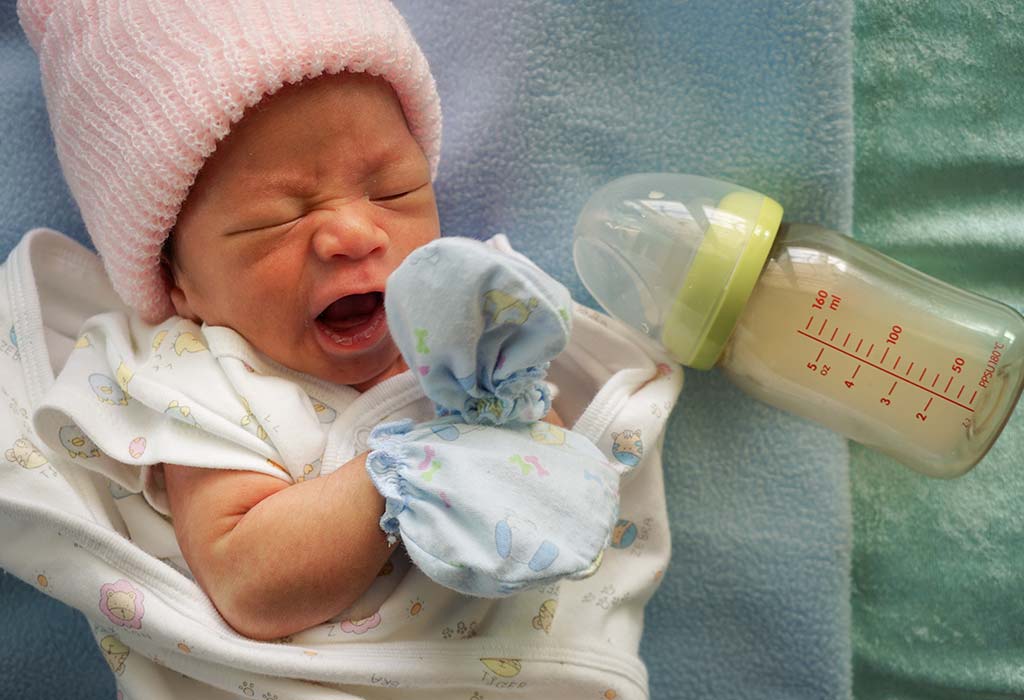
Lactose intolerance infants breastfeeding. Because breast milk will aid the recovery of your babys small intestines breast feeding should be continued. Infants who have symptoms of lactose intolerance should stop breastfeeding and be fed a soy-based infant formula or another special lactose-free baby formula. Lactose intolerance is the reduced ability to digest milk sugars due to insufficient amounts of the gut enzyme called lactase.
It is produced in the breast. Diarrhoea can be a symptom of lactose intolerance in babies. Therefore lactose intolerance in breastfed babies arises only secondarily under any conditions which.
Anything that damages the gut lining even subtly can cause secondary lactose intolerance. Lactose-free maternal diet is UNNECESSARY as lactose is present in breast milk. Infants with gastrointestinal symptoms on exposure to cows milk are more likely to have cows milk allergy than lactose intolerance Jones.
The solution for a breastfed baby with secondary lactose intolerance is not to stop breastfeeding or go onto a soy or lactose free formula. Its because the cows milk from the mums diet is being passed on to the baby through their breast milk. Lactose Intolerance and the Breastfed Baby Australian Breastfeeding Association 2017.
Differences between primary secondary congenital and developmental lactase deficiency that may result in lactose intolerance are discussed. 56 Clinical features of lactose intolerance When the levels of lactose in the lumen of the small intestine exceed the capacity of. The baby is fussy crying and irritable most of the time.
A baby with a lactose allergy could not be fed breastmilk and would require a special dietformula from soon after birth What are the symptoms. For older babies over about 18 months recovery may be as rapid as 1 week. It is so extremely rare for a baby to have to stop breastfeeding due to this problem.
Breastfed babies can be lactose intolerant because lactose is found in breast milk as well as baby formula. Lactose intolerance is very different to intolerance or allergy to cows milk protein. All babies are born with lactose in their intestines.
A baby with a lactose allergy would fail to thrive without medical intervention due to malabsorption and dehydration says Save. Cows milk either in the mothers diet or engineered into formula is a common source of food sensitivity in babies. Lactase is supposed to disappear after baby is weaned- usually by seven years of age.
Lactose is the sugar found in all dairy products including both breast milk and formula. Average recovery time for the gut of a baby with severe gastroenteritis is 4 weeks but may be up to 8 weeks for a baby under 3 months. Our bodies produce a protein called lactose that breaks down lactose in the gut.
Secondary acquired lactose intolerance or transient lactase deficiency Most common problem in infants Breast-fed infants. Lactose is the sugar in all mammalian milks. These are all simply untrue.
The American Academy of Pediatrics Committee on Nutrition presents an updated review of lactose intolerance in infants children and adolescents. 1 cause overly fast gastric clearance or 2 damage the brush border of the small intestine. But typically symptoms of a lactose intolerance in babies include.
Lactose intolerance is the same as an allergy to cows milk. Lactose intolerance is caused by a deficiency of the enzyme lactase which breaks down lactose milk sugar so it can be easily digested. Many breastfed babies experience symptoms similar to lactose intolerance which provide positive test results.
Human milk actually has 50 more lactose than cows milk. Lactose is the number one carbsugar in human milk. Lactose must be completely removed from the diet and a lactose-free formula must be used for infants 56.
Sometimes but not very often babies who are breastfed can have this allergy. A baby with symptoms of lactose intolerance should not be taken off the breast and fed on soy-based or special lactose-free infant formula. Milk rash sores on the face.
Heres what you need to know about breastfeeding and lactose intolerance. As they grow older and wean the lactase enzyme decreases. Lactose intolerance in babies.
A breastfed baby may experience a secondary lactose intolerance following a bout of gastroenteritis. Dietitian for Mild symptoms. Pan Mersey APC does not recommend prescribing lactase.
The baby shows apparent signs of dehydration. - Exclude breastfeeding technique issues NB. Breastfed babies who are sensitive to dairy in moms diet are sensitive to specific cows milk antibodies in the form of proteins not lactose which pass into the mothers milk.
Lactase drops may need to be added to expressed breastmilk to aid lactose digestion. Causes of secondary lactose intolerance include gastroenteritis food intolerance or allergy celiac disease gluten intolerance and bowel surgery. Diagnosing lactose intolerance in the breastfed baby.
What are the Symptoms of Lactose Intolerance in Babies. We wouldnt survive as a species if babies were lactose intolerant. Per Joy Anderson IBCLC in Lactose intolerance and the breastfed baby.
Children with suspected lactose intolerance can be assessed clinically by dietary lactose elimination or. If breastfeeding this should be continued to be supported. The baby struggles to put on weight.
Avoidance of lactose from the maternal diet is not recommended. Diarrhea check out our guide to lactose intolerant baby poop stomach cramping.
On the other hand Oregano is a popular spice used in many kitchens. The antifungal and antibacterial tea tree oil make it a natural to fight yeast infections.
 Fungal Infections And Their Home Remedies Femina In
Apply the medication as directed in the package insert.

Natural yeast infection treatments. Be informed that you could treat your Candida yeast the natural way. Even when treated they tend to come back forcing pet parents to get more antibiotics and schedule more visits to the vet. The oil is used for its ability to kill fungus bacteria and viruses.
It contains thymol and. Most of us have probably given more thought to our gut microbiomes than the microbiome below the beltthats the vaginal microbiome ladies. But oregano vulgare an antifungal variant of oregano is used for the treatment of the fungal infection of the intestines.
Thinkstock 2 Yeast infections vulvovaginal candidiasis are the most common type of vaginal. Many treatments are available for a yeast infection some of which a person can administer at home. Apple Cider Vinegar treatment for yeast Infection The most common and best way to get rid of a yeast infection with apple cider vinegar is to take a nice relaxing bath in a mixture of apple cider vinegar and water.
Mix together a tablespoon of aloe vera and a couple drops of tea tree oil and apply to affected area. Warm baths always help with whatever problem you might have and a yeast infection is no different. Do not apply it anywhere.
Yeast infections should go away within a few days of treatments. Look for oil of oregano made from wild oregano or Origanum vulgare like the one here. Just half a cup in some warm water will do the trick.
If you have had a vaginal yeast infection previously and youre confident thats what you have you may choose to treat it with an over-the-counter cream or suppository a medication that. These products which used to be available only by prescription are available over the counter in pharmacies and many variety stores. According to the CDC 75 percent of women experience a yeast infection at least once in their lives and 20 perce.
While serious yeast infections might require medication natural remedies can often help ease the problem. The oil of oregano used to treat yeast infections isnt the same type however. Vaginal yeast infections are not only physically uncomfortable but mentally you dont feel like yourself.
Natural Yeast Infection Treatments Avoid subjecting yourself into taking a lot of pills or applying creams to get a temporary relief from the discomforts of a yeast infection. The fungus or yeast is unable to live in an acidic environment which is what you make when you put a good quantity into your bath. This article looks at 8 home remedies including probiotics natural yogurt and tea tree oil.
Eating it would chase all the candida away. Its difficult to walk around doing daily tasks with a yeast infection that is being treated. Both miconazole Monistat and clotrimazole Gyne-Lotrimin are effective in treating yeast infections.
Garlic cloves and yogurt are some of the most discussed natural remedies for yeast infections. Other natural remedies for a vaginal yeast infection include yogurt coconut oil and tea tree oil. Boric acid which can be purchased at most grocery stores is another home remedy that can treat a yeast infection.
Tea tree oil is an essential oil that comes from the leaves of the tea tree Melaleuca alternifolia. Two 150-milligram pills taken three days apart is a common treatment for a yeast infection says Sherry Ross MD an ob-gyn in Santa Monica and author of She-ology. This treatment is offered in the form of oil and all it takes is few drops of this oil in a glass of water to cure intestinal yeast infection completely.
The best possible way of staying away from these yeast infections is prevention of course. If youre still experiencing symptoms of a yeast infection after several days of treatment or if it seems to be getting worse. These natural treatments for skin yeast infections is a must try.
Yeast infections can be a painful chronic nightmare for some dogs. An effective home remedy for treating yeast infections is taking a probiotic with Lactobacillus or eating it in fermented foods like miso.
Formula feeding is also a healthy choice for babies. How often you are supplementing with formula while breastfeeding will depend on your reasons for supplementing in the first place.
/combining-breastfeeding-and-formula-feeding-431930-c35deb8a68a6442dbb6e8995a0315e58.png) Combining Breastfeeding And Formula Feeding
Combining Breastfeeding And Formula Feeding
Each day your body makes breast milk based on the concept of supply and demand.

Using formula to supplement breastfeeding. If you want to give your baby formula and continue breastfeeding the key is to make sure your baby likes both and the easiest way to do that is to be consistent. Formula is harder to digest for a new baby. Sign Up to the Newsletter.
However some mothers are able to combine breast-feeding and formula-feeding especially after breast-feeding has been well established. Using this system the milk is put inside a hanging bag and fed to your baby with a little tube that is taped next to your nipple. Waiting will not always be practical with a hungry baby.
As you would move from breast to breast switch sides when youre formula-feeding and burp baby between sides. The American Academy of Pediatrics recommends giving breastfed babies a vitamin D supplement. Common reasons to supplement with formula.
If you plan on supplementing one or two bottles a week it shouldnt affect your breast milk supply. Your breast milk supply is not meeting your babys daily demands. Formula supplementation can disrupt breast-feeding as well as affect milk supply.
Have some skin-to-skin contact. So lets look at some common reasons why you may be considering supplementing breastfeeding with formula. Baby is in the nicu.
Supplementing with formula especially from a bottle may change your babys suck pattern at the breast. Still there are a lot of moms who end up supplementing formula milk to their baby either due to medical considerations or personal reasons. A diet of only breast milk provides the best nutrition.
Start With No More Than One or Two Formula Bottles a Day. You should not attempt to make your. Supplementing at the breast by using a tube that is inserted into your babys mouth while he breastfeeds means the breasts get the make more milk message even as the baby gets formula and he associates the breast with food.
For instance Enfamil Enspire contains DHA MFGM and Lactoferrin. Its a stress that all breastfeeding and pumping mamas know you look at how much youve pumped freak out that it wont be enough then make even less milk because youre stressing about it. You want to cut down on pumping and or nursing.
Baby is not gaining weight. Formula contains all the nutrients your baby needs and introducing it -- whether during the first few weeks or a few months later -- doesnt necessarily signal that your nursing days are coming to. Sometimes a baby may need supplemental breast milk donor milk or formula in addition to direct breastfeeding.
If you are trying t0 decide which formula is closest to breast milk as possible look for products that contain many of the natural components of breast milk. Breastfeeding is proven to provide optimum benefits for mothers and their babies. Heres how to combine breastfeeding and bottle feeding.
Your milk supply hasnt come in yet. It stays in the stomach longer than breast milk which may cause your baby to feed less often and could cause a decrease in your milk production. Because breast milk is so much more valuable to your baby the recommendation is to feed expressed breast milk supplements first rather than mixing breast milk with formula.
While its true that breast milk is ideal for feeding your baby there may be times where formula supplementation is medically needed says holistic pediatrician Dr. When you start to add formula it can affect how much breast milk you make. There are many possible reasons for low milk supply and if a baby isnt gaining weight or not gaining enough weight more milk may be needed either temporarily or longer term.
Its considered one of the best matches to a mothers breast milk and probably the best formula for breastfed babies. Does this sound troublesome. Supplementing breastmilk with formula its not as detrimental to your breastfeeding journey as you might imagine.
If your goal is to supplement temporarily while building your supply I strongly recommend you to try at-breast supplementer such as Medela SNS. Pausing between giving formula after breast milk will allow time for the breast milk to start to leave the stomach eg. Other risks of formula feeding.
A supplemental nursing system SNS or supplemental feeding system is a way for you to nurse your baby and give her formula or expressed breast milk at the same time. The supplemental formula or milk travels along thin flexible tubes that are taped with paper tape along your breasts to the ends of your nipples. If you use a formula your baby will get the best possible alternative to breast milk.
Between 20 minutes and one hour. Practicing with a breast pump can be helpful especially for moms who plan on pumping at work. Test out your breast pump give yourself a break and have your partner feed your baby bottled expressed milk.
If its merely for convenience in certain situations then you will give your baby a bottle when those circumstances arise and revert to breastfeeding for all other feedings.
Reglan is a prescription medication which has been given to women to increase their breast milk supply. Neither of these are magic answers to low milk supply as they will only work for people with low prolactin levels.
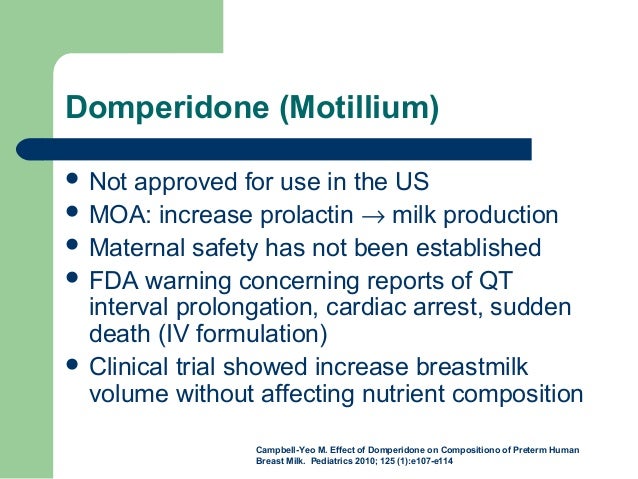 Medications And Lactation Principles For Safe Practice For The Clini
Only temporarily increases breast milk production If Reglan does increase milk supply the effect is only experienced while taking the drug.
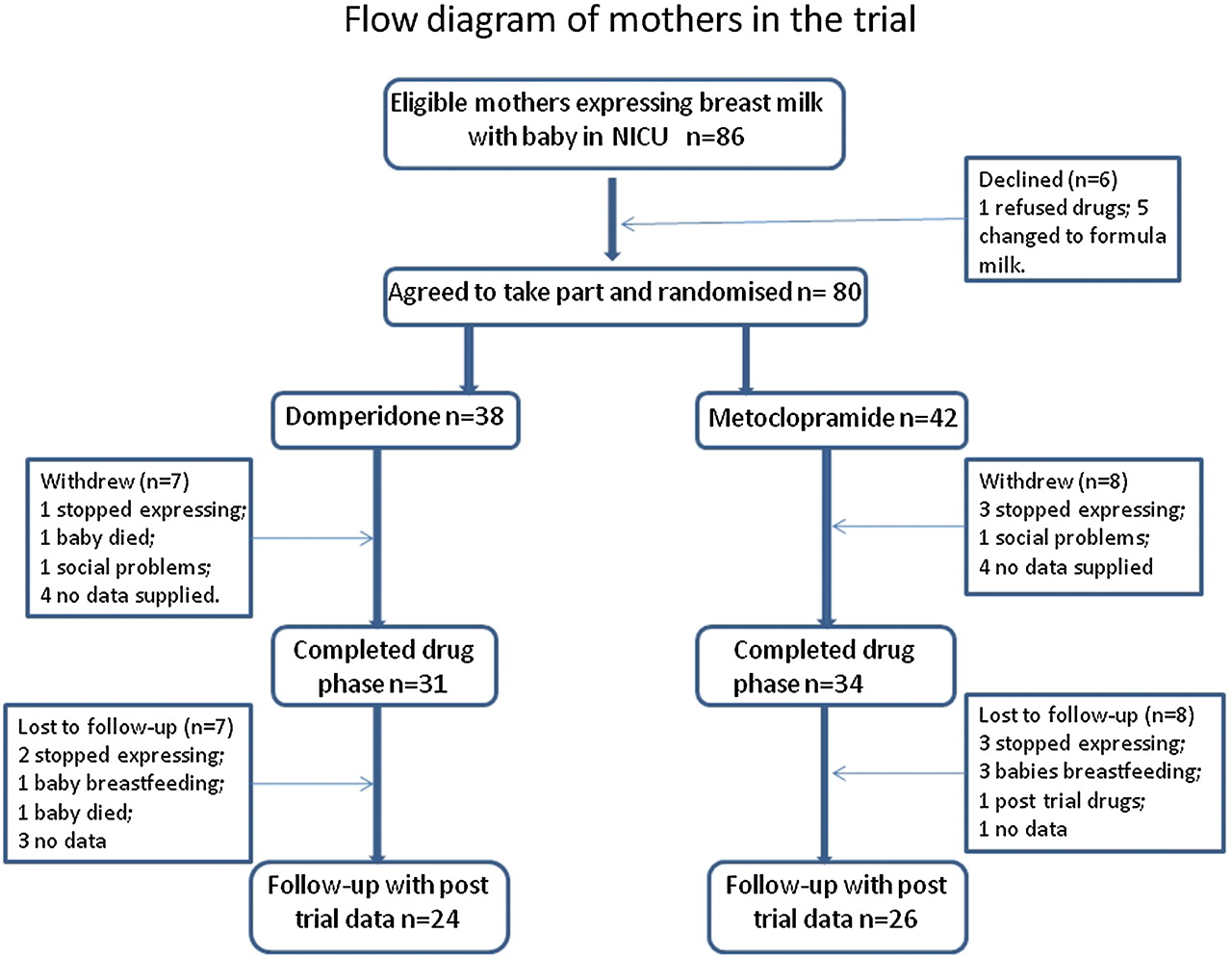
Reglan for milk supply. It is the most commonly used medication for lactation induction and increasing a low supply of breast milk in the United States. Milk supply returns to prior levels after use is discontinued. So should you get your prolactin checked.
Even though Reglan is considered a very safe medication for moms and babies it has frequent side effects for moms like fatigue. Some studies used a tapering dosage for the last days few of the regimen to avoid an abrupt drop in milk supply after drug discontinuation. It was discovered to have a side effect that results in prolactin levels that could in turn cause lactation.
Metoclopramide Reglan is used as a galactagogue which helps increase breastmilk supply at an average of 66 to 100 percent. It definitely increases prolactin the hormone which stimulates breast milk production and is often used off label but the actual effect on improving the amount of breast milk production is not consistent. Some studies used a tapering dosage for the last days few of the regimen to avoid an abrupt drop in milk supply after drug discontinuation.
When it did I only produced drops. Domperidone also increases the level of prolactin and is used to increase breast milk supply. Both Reglan and Domperidone are gastrointestinal drugs that have the effect of raising prolactin which in some people can result in increased milk supply.
Since it should not be taken for more than 3 weeks and the results do not last the risks far outweigh the benefits in this authors opinion. Metoclopramide Reglan Metoclopramide is a medication used to treat stomach issues such as reflux nausea and vomiting. Low milk supply may take Reglan feel like a failure.
Usual dose to increase breast milk supply 10mg one tablet three times a day with or without food 7 Time to maximum effect 2 to 4 weeks 8 Maximum dose in 24 hours usual 30mg daily. The NICU storage was full my freezer was full and my parents deep freezer was full of my breast milk. My doctor just prescribed Reglan to me to help with my low supply.
Reglan for increasing breast milk supply. Before taking Reglan you should tell your healthcare professional if you have or have ever had. By taking Reglan your serum prolactin increases which results in better milk production.
Then he lost the ability to latch on properly and the bottles. Took him off breast milk because she thought he was lactose intolerant. The presence of an appropriate level of the hormone prolactin permits lactation to proceed normally.
Domperidone was initially prescribed for people with upper gastrointestinal problems. I havent started it yet because Im nervous about the potential side effects. There are several prescription drugs that have been used to increase milk supply.
To induce lactation however it is not recommended for long-term use in lactating women. Reglan for milk supply. Metoclopramide has no officially established dosage for increasing milk supply.
Most studies have used metoclopramide in a dosage of 10 mg 2 or 3 times daily for 7 to 14 days. I had a c-section it took 5 days for my milk to come in. First of all is your milk supply really low.
It increases the prolactin hormone which increases milk production. Unfortunately due to my baby who is now 25 weeks wasnt transferring milk well from the beginning I never had my real milk come in. 20 Similar Discussions Found.
My milk supply is low and I can barely keep up with. A blockage in your stomach or intestines. If you are taking Reglan you should also work on addressing the cause of the low supply by correcting positioning or pumping frequently or your supply will drop back to previous levels when you discontinue taking it.
Then my baby was jaundiced and losing way to much way way too fast so they told me I had to supplement him with formula in a bottle. If your baby is gaining weight well on breastmilk alone then you do not have a problem with milk supply. Reglan is often given to treat gastric reflux a stomach condition.
Reglan Metoclopramide is a medication specifically used for stomach problems. Domperidone is available as 10mg oral tablets. Does anyone have experience with this.
Metoclopramide Reglan Domperidone Motilium and sulpiride Eglonyl Dolmatil Sulpitil Sulparex Equemote. So my goal was to breastfeed my baby. Reglan is recommended at low dosages.
Shortly after being released his ped. Most studies have used metoclopramide in a dosage of 10 mg 2 or 3 times daily for 7 to 14 days. Metoclopramide has no officially established dosage for increasing milk supply.
Its important to note that the feel of the breast the behavior of your baby the frequency of nursing the sensation of let-down or the amount you pump are not valid. It has been used for the said purpose in North America for more than two decades already. A similar drug called Reglan is used in the US.
Like I never felt engorgement or painful breasts. Domperidone is usually started at a dose of 10 mg 3 times per day. Unfortunately after I stopped Reglan my supply decreased again because I just couldnt pump anymore.
Often mothers think that their milk supply is low when it really isnt. For increasing breast milk supply the recommended dosage of Reglan is 10 mg 2 or 3 times per day for 7 to 14 days.
Implants with textured silicone and polyurethane outer shells seem to have the highest risk. Breastfeeding with implants is possible but some factors could affect the amount of breast milk you produce.
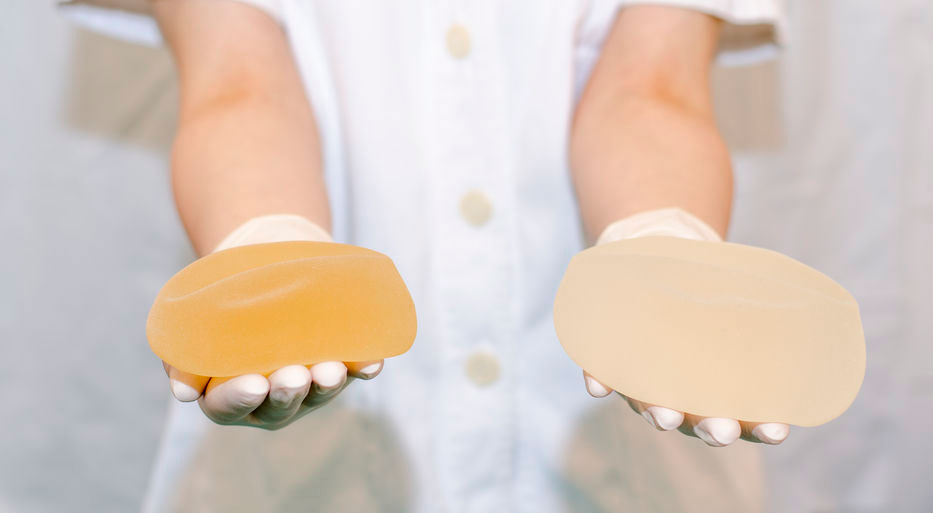 Breastfeeding With Implants Breastfeeding Support
You may worry that chemicals in your breast implants will mix with breast milk.

Breast feeding with breast implants. The study of nearly 120 mothers with breast implants found that breast-feeding was not a significant risk factor for breast sagging. Breast implants are made of a synthetic substance called silicone and are filled with either silicone gel or salt water saline. Can transgender parents who have had breast surgery breastfeed or chestfeed their infants.
Although this type of cancer occurs in the breast tissue it isnt breast cancer. Yes it is possible to breastfeed with implants but breast implants may affect a mothers capacity to produce a full milk supply. It is possible however to exclusively breastfeed with one breast.
Normally the breast implant is inserted under the muscle occasionally it is placed above the muscle as well. In addition with certain breast implants there is a low risk of developing a type of cancer known as breast implant-associated anaplastic large cell lymphoma BIA-ALCL. Breast implants and breast feeding With Video On average theres roughly a 90 chance that you will be able to breastfeed after having breast implants on the assumption that you were able to breastfeed before the surgery.
Reason for the Surgery. This is one reason some patients choose to wait until after they are finished having biological children and breastfeeding to opt for breast augmentation but waiting is certainly not a requirement. However the process of pregnancy and breastfeeding will likely change the size and shape of your breasts whether you have implants or not.
Consulting a lactation specialist is also a good idea as they have the knowledge to help and advise you. Rest assured that breastfeeding will not harm implants. What are some of the potential problems.
With periareolar breast implants the milk ducts and glands are cut. Breastfeeding with breast implants If you are considering any type of breast surgery whether that be an uplift enlargement or reduction and have either not finished your family or havent started having children then you might be thinking about how this decision might affect your ability to breastfeed in the future. The use of a retromammary implant eventually causes pressure atrophy of the breast gland and collapse of the ducts which convey fluid to the nipple.
If youre one of the more than 313000 American women who have breast augmentation every year you might wonder whether or not youll be able to breastfeed with implants. Some transgender parents who have had breasttop surgery may wish to breastfeed or chestfeed a term used by some transgender and non-binary parents their infants. The type of surgery involved and the amount of damage to nerves or breast tissue whether there is any scarring in the milk ducts and.
Some breast implants are filled with saline water. This is due to the fact that the breast tissue is still intact. Anatomic biomechanical and physiologic considerations of the prosthetically modified breast clearly demonstrate why breast feeding is impractical and destructive.
The subsequent damage is irreversible making breastfeeding more difficult. Nipple sensation can take up to two years to return after surgery. It depends on the type of implants the placement of the implants and the way the surgery was done.
Can you breastfeed with breast implants. Breastfeeding with breast implants Most women with breast implants are able to breastfeed though there are a few exceptions. When you had the surgery.
Like in breast reduction surgery surgical techniques are constantly evolving and improving outcomes for women who wish to breastfeed after these procedures. The periareolar procedure however may impact the mothers ability to breastfeed. Whether a mother will have a full or only a partial milk supply depends on.
You may be able to breastfeed if you have breast implants. Breastfeeding after breast augmentation surgery is possible depending on the type of surgery and the original state of the breasts prior to surgery. While any form of breast surgery carries some risk that ducts and nerves may be damaged most women have successful experiences when breastfeeding with implants.
Fortunately breastfeeding after breast implants is not only a possibility it also carries very few risks. In most cases it is still possible to breastfeed after having implants but there are some exceptions. The good news is that you can often increase this with good breastfeeding management.
Can I breastfeed if I have breast implants. Women are free to breast-feed without the concern of affecting. Whether youre able to breastfeed depends on the original state of your.
While some research has found that women with breast implants are more likely to have problems breastfeeding than those who havent had the surgery the odds are in your favor though you might face some additional challenges. Implants that are inserted through a periareolar incision through the nipple area are more likely to cause problems when breastfeeding. Some mothers can breastfeed and make a full supply of milk with breast implants without any particular difficulties but others are not as successful.
When the mother becomes pregnant there may be loss of sensation where the incisions are made. If you had breast augmentation after a mastectomy you will not be able to breastfeed on that side due to the loss of breast tissue and glands that produce milk. With that in mind there are still a few factors that might make it difficult to breastfeed and can decrease the likelihood of producing enough milk to feed an infant.
Breastfeeding with breast implants is commonly easier to do than breastfeeding after a breast reduction.
The medical term for tongue tie is ankyloglossia It restricts the tongues range of motion and can cause difficulty for babies when they feed. Some children are born with it while most others are not.
 Identifying Tongue Tie In Children
It occurs when the frenulum on the bottom of the tongue is too short and tight.

Tight tongue in babies. The cause is congenital meaning it is present from birth. Treatment is not always needed if your baby has tongue-tie but can feed without any problems. A tongue tie or ankyloglossia is a condition where a short thick tissue connects the bottom of a tongues tip to the floor of the mouth.
Tight frenulum of the tongue occurs in an estimated three to four percent of infants with boys diagnosed more frequently. With tongue-tie an unusually short thick or tight band of tissue lingual frenulum tethers the bottom of the tongues tip to the floor of the mouth so it may interfere with breast-feeding. Their tongue looks heart-shaped when they stick it out.
The medical name for tongue-tie is ankyloglossia. Combined this prevents baby from getting the milk she needs from the breast. Other signs that may indicate your baby has tongue-tie include.
Some babies with tongue-tie have a mild case and are barely affected. This restricts the movement of the tongue making it difficult for a baby to stick his tongue out breastfeed swallow or sometimes even vocalise. Tongue-tied babies have a short tight membrane or band of tissue connecting the bottom of the tongue to the mouths floor.
Tongue-tie ankyloglossia is a condition present at birth that restricts the tongues range of motion. In tongue-tie this piece of tissue called the lingual frenulum is too short CPS 2011. This means 12000-32000 Australian children are born with a tongue-tie each year.
This can cause problems because the tongue is not able to move freely. Evaluation and treatment of this by surgically cutting the tongue tie if indeed a tight frenulum is the source of challenging breastfeeding can be a life-changing event enabling breastfeeding. Having tongue-tie can stop your baby from moving her tongue freely or sticking the tip of her tongue out past her lower front teeth.
Other than genetics there have not been any risk factors identified for a tight frenum. Well if the tongue is tight and cant move around it makes it harder for a baby to suck the milk ducts. Ankyloglossia also known as tongue-tie is a congenital oral anomaly that may decrease the mobility of the tongue tip and is caused by an unusually short thick lingual frenulum a membrane connecting the underside of the tongue to the floor of the mouth.
What Is Tongue Tie on a Baby. A baby with tongue-tie may have difficulties breastfeeding or bottle-feeding. A short lingual frenum or tongue tie anchors the front portion of the tongue to the lower jaw.
Difficulty lifting their tongue up or moving it from side to side. A baby born with a tongue-tie or ankyloglossia will have an overly short or thick frenulum that restricts the tongues movement. What Causes Tongue Tie.
Difficulty sticking their tongue out. Tongue-tie ankyloglossia is a problem with the tongue that is present from birth. Aside from having a very hungry baby on your hands tongue-tie may potentially lead to other health problems including some for mom.
Symptoms are different in each child. Tongue tie in babies. Many babies with tongue-tie can breast and bottle feed successfully.
Babies children and adults can have tongue-tie with 4-10 of the population affected. Tongue-tie and feeding problems for babies. Key points about tongue-tie in children.
To do its job well your tongue needs to be able to reach almost every part of. We dont know the. A tongue tie is when the band connecting the tongue to the bottom of the mouth is too tight too thick or both.
Tongue-tie ankyloglossia is a condition in which an unusually short thick or tight band of tissue lingual frenulum tethers the bottom of the tongues tip to the floor of the mouth. Tongue-tie also known as ankyloglossia is a condition some babies are born with that limits their tongue movements. Its commonly associated with difficulties during breastfeeding for both mother and infant.
It keeps the tongue from moving as freely as it normally would. Tongue-tie happens when the string of tissue underneath your babys tongue frenulum which attaches her tongue to the floor of her mouth is too short. However a tight tongue-tie can interfere with a babys ability to breastfeed and in some cases bottle feed.
The medical name for tongue-tie is ankyloglossia. Ankyloglossia varies in degree of severity from mild cases characterized by mucous membrane bands to complete ankyloglossia whereby the. If necessary tongue-tie can be treated with a surgical cut to release the frenulum frenotomy.
Depending on what type your baby has it can interfere with how he or she breastfeeds or restrict them from sticking the tongue out. It may result in damage to the mothers nipple breast pain extreme suction repeated mastitis low milk flow.
Although spit-up can seem like a. Half of all 0-3 month old babies spit up at least once per day.
:max_bytes(150000):strip_icc()/breastfeeding-and-infant-spit-ups-431719_final-3530d997ebeb48069fb7ec7b7568a709.png) Why Your Baby Spits Up Breast Milk And How To Reduce It
Why Your Baby Spits Up Breast Milk And How To Reduce It
If your baby is vomiting after a formula feeding they might be constipated if they have other symptoms including.

Baby spits up after each feeding. I know for me feeding from one breast over the period of a few hours block feeding manually expressing some of the fore milk that forcefully comes out at the beginning of each feed prior to latching my baby and limiting the time that I fed all helped to regulate my supply and therefore prevent my baby from constantly spitting up after feeds. Spitting up usually occurs right after baby eats but it may also occur 1-2 hours after a feeding. Handle your baby gently to minimize jostling and keep your baby upright for 30 minutes after each feeding.
When babies spit up after feeding - Many parents can be concerned when their baby spits up after their feed. Put baby to sleep on his or her back. Allow them to finish feeding on one breast before giving the other.
We do not worry about spit up unless the volume is so great that babies fail to gain adequate weight babies are having problems breathing eg. Not pooping for longer than 34 days. Newborn vomiting after breastfeeding can be a result of switching breast while in the middle of feeding.
Reflux is the medical term for spit up. Most babies spit up after each feeding or while burping. The air has to come up and when it does some of the liquid comes up too through his mouth or nose.
To reduce the risk of sudden infant death syndrome SIDS its important to place your baby to sleep on his or her back. Often its routine nothing to be concerned about and related to trapped wind. Many babies outgrow spitting up by 7-8 months.
Infant vomiting may occur from time to time maybe because of a larger air bubble but if your baby is vomiting more than usual and projectile vomiting you should visit your pediatrician. Your pediatrician will evaluate your infants weight gain at their well-baby checkups. Getting the air out more frequently could lead to less air in their tummy and less of a chance of spit up.
Baby spit up is the regurgitation of milk or formula ingested by the baby because of incomplete development of the valve that leads from the gullet into the stomach. Even if your baby spits up after every feeding theyre probably taking in enough. Spit-up normally does not lead to distress or weight loss.
This valve called the sphincter holds our food in place so it doesnt come back up to our throats. The stomach contents can force the sphincter open and flood back up the esophagus. When the stomach is full or a babys position suddenly changed after a feeding youd better have a cloth handy.
The peak age for spitting up also known as reflux is 4 months. If everythings on track. In babies this valve is not fully developed and thats why they spit-up.
Avoid interrupting you baby as they are fed as this can cause an increase in spitting up. All babies spit up especially after gulping down air with breastmilk or formula. In other cases it can be problematic as it can be painful cause digestive distress and in extreme cases prevent weight gains for a baby that should be.
Burp baby multiple times during each feeding Instead of waiting until baby is done with the feeding to burp him or her try to stop throughout the feeding to burp them. Some babies spit up more than others. However if spit-up results from over-supply or forceful let-down pumping for a few minutes prior to breast-feeding can help decrease the amount of milk or force of the milk during the nursing session.
When your baby swallows air along with his breast milk or formula the air gets trapped in with the liquid. A swollen or bloated stomach. Is It Normal For Babies To Spit Up After Feeding by babyhopeful Published October 24 2020 Updated October 26 2020 The cardinal of burp cloths or burpees first-time dad and mom take delivery of at a babyish battery can get up as a marvel.
After spitting up your baby should still seem happy but vomiting will always cause discomfort. Spitting up usually peaks at 2-4 months. According to Mayo Clinics website some vomit after a feeding should not be a concern unless your child fails to gain weight or is uncomfortable.
Treating a baby who spits up frequently isnt necessary unless the baby experiences weight loss or other health problems. Placing a baby to sleep on his or her tummy to prevent spitting up isnt recommended. Infants spit up after feedings sometimes every feeding and often bring up some milk when they burp.
Doctors may use the phrase happy spitter to describe a baby who spits up but is generally comfortable has no breathing problems and is thriving and growing well. Its normal for babies to spit up both breast milk and formula. For most babies spit-up is a quick smooth flow of liquids up and out during or shortly after a feeding.
Frequent burps during and after each feeding can keep air from building up in your babys stomach. Bluish discoloration around the lips or unless spit up causes pain. Spit up tends to peak at 4 months and most babies have stopped by 12 months of age.
This is a caffeine free tea that is a blend of Fennel Anise Coriander Feenugreek and Blended Thistle all great herbs for increasing breast milk supply. Fennel coriander fenugreek blessed thistle and aniseed.
 10 Herbs That Increase Milk Supply Majka
Fennel seeds fenugreek seeds wild asparagus cumin seeds marshmallow root goat rue torbagun leaves anise milk thistle vitex stinging nettle cinnamon garlic ginger and black seed are some of the herbs to increase breast milk supply.

Teas that increase milk supply. Its phytoestrogen is believed to have a breast-enhancement property. Some common galactogogues found in lactation tea include. Lactation tea is a blend of herbs that can be consumed as tea typically several times a day during the postpartum period.
This tea is a combination of herbs namely. Breast milk is very necessary for new born babies. Milk thistle does NOT tincture well.
After a traumatic birth make sure to take care of yourself first and not stress out too much about your supply. Two herbal treatments that seem to increase the milk supply are fenugreek and blessed thistle in the following dosages. Herbal Mint Nursing Tea USDA Organic Improve Breast Milk Supply Fenugreek Formulated for Breastfeeding Mothers Baby Women-Owned 30 Cups 41 out of 5 stars 1256 11991199 1199Count Save 5 more with Subscribe Save.
Instead use tea capsule or whole ground herb. I certainly found this tea gave my supply a slight boost. Fenugreek is the herb used most often to increase breast milk supply and is the primary ingredient in many lactation teas.
I was expecting my breast to be engorged with my usual 3-4oz but I only produce. In general most teas are fine to drink although you should stay away from certain herbal tea blends like peppermint oregano parsley or sage. It is very crucial to provide new born children with milk from their mothers.
Removal of the retained placenta should lead to an increase in milk supply. So an increase of about 15 ounces. Mothers Milk Tea is slightly bitter tea that has a distinct licorice taste.
Not bad for not doing anything besides drinking tea. Phytoestrogens which are plant estrogens perform a lot like human estrogen. Pink Stork Lactation Tea.
12 teaspoon per cup hot water infuse 15039 minutes drink 12 1 cup of tea three times per day. Not surprisingly Fenugreek has been used for centuries for nursing mothers I did see a slight increase in my milk output. The herbs in mothers milk herbal tea can imitate female hormones as it contains Phytoestrogens.
Its marketed as a supplement for increasing breast milk supply. Native to the Mediterranean and Asia this herb is known for its maple syrup smell and bitter burnt sugar taste. Which herbs work best for increasing milk supply.
These herbs are believed to increase or maintain a healthy milk supplyThe tea tastes like black licorice due to the aniseed although different brands contain different. Organic herbal teas that increase breast milk supply. I went from the usual 4-45 ounces to pumping 6 full ounces.
The common breastfeeding herbs for nursing teas are fenugreek blessed thistle fennel stinging nettle goats rue alfalfa milk thistle anise marshmallow root red raspberry leaf coriander caraway and verbena. Organic Mothers Milk Tea Ingredients. Fenugreek is also available as a capsule or supplement.
Combining herbs that increase breast milk production with herbs that support relaxation and others that provide a pleasant flavor can create a tasty soothing blend. So I came back from being out for only 4 hours and my milk supply was so low. What do you get when you combine them.
Two drinks that many breastfeeding moms use to help increase their milk supply are nursing teas and Gatorade. Milk thistle is also a reasonably good galactogogue as well. I highly recommend avoiding tinctures of milk thistle.
Not only that consuming fennel tea may help with digestive problems especially gassy tummy. Lactation teas can include any number of ingredients which may include galactogogues andor common tea ingredients that are known for their relaxing properties like chamomile or lavender which can also help to increase milk supply. Fennel is a popular galactagogue in Europe.
To help produce more milk Milk Boost Tea is more effective than any other lactation tea. Traditional Medicinals Organic Mothers Milk Tea. The tincture container states that blessed thistle should not be taken by nursing mothers presumably because of the tiny amount of alcohol the mother would get.
This herb is not only good for improving milk production its also great in stimulating milk ejection reflex. The tincture container states that blessed thistle should not be taken by nursing mothers presumably because of the tiny amount of alcohol the mother would get. Composed only of natural herbs Milk Boost Tea is based on a lactogenic recipe that has helped millions of women increase their milk supply.
The combination of these four main galactagogues in the breastfeeding tea serves as a powerful inciter of increased breast milk production and the Traditional Medicinals tea is 1 in the United States for breastfeeding moms and it has been that way for nearly 40 years. Two herbal treatments that seem to increase the milk supply are fenugreek and blessed thistle in the following dosages.
If the swaddling becomes unwrapped this puts your baby at risk of suffocation. Swaddling can increase the chance a baby will overheat so avoid letting the baby get too hot.
 Amby Snuggler Sleep Positioner Amby Baby Hammocks
Once your baby is mobile to the point where she could potentially kick off her blanket the blanket poses a possible suffocation or strangulation hazard.

Swaddle baby in crib. To swaddle a baby start by laying a blanket on a flat surface so it looks like a diamond. Now your baby can sleep safely and you can sleep without worry with reste. Keeping these guidelines in mind lets get straight to the nuts and bolts of swaddling.
They contend that the infant will make the discovery on their own that they can fall asleep without the swaddling or in the arms of Mom or Dad. Swaddling baby can help baby feel cozy while sleeping in a big giant crib. Loose blankets in the crib if a baby breaks free of the swaddle the blanket can cover his face increasing the risk of SIDS Stomach sleeping if a swaddled baby is placed on her stomach to sleep or if she rolls from her back to her stomach while swaddled it increases the risk of SIDS.
The first step is to do all you can to establish an optimal sleep environment for your baby. Have questions about a Happiest Baby product. Make sure you are placing your baby on their back in a crib after being swaddled.
A crib can be really large for a young baby. I always used the SwaddleMe. Swaddling is the art of snugly wrapping a baby in a blanket for warmth and security.
Lay the swaddle down flat. What makes this the best age to stop swaddling. This may be a crib in your room a bassinet or alternatively a side-car sleeping device like the Arms Reach Co-sleeper.
According to the CDC parents should observe the following measures for the babys safe sleep 5. It can keep your baby from being disturbed by her own startle reflex and it can help her stay warm and toasty for the first few days of life until her internal thermostat kicks in. Then fold the top corner down to the center of the blanket and place the baby face-up on the blanket so their neck is lined up with the fold.
Remember no loose blankets or bedding are ever allowed in the crib with your baby. Swaddling your baby too tightly might cause hip dysplasia which is where the hip does not form correctly International Hip Dysplasia Institute 2018. Also ensure that there are no blankets stuffed animals pillows or any additional bedding or soft items in your babys crib.
The baby could be too hot if you notice sweating damp hair flushed cheeks heat rash and rapid. The baby could be too hot if you notice sweating damp hair flushed cheeks heat rash and rapid breathing. Placing your baby to sleep on his back is crucial as it can help reduce the risk of SIDS sudden infant death syndrome.
They are the least expensive of the blankets so it is a good place to start and see if they work well for your baby. 6 Steps For Swaddling Your Baby. Here are the steps to follow.
Make sure your baby is able to move their hips and knees freely to kick. View more posts tagged baby swaddling. Place the crib in an area that is always smoke-free.
If the blanket unravels itll be loose in the crib with your baby which is also a risk factor for SIDS. Safety is the number one priority so remember that they need to be put to bed on their back on a firm. Your baby is safest in her own crib or bassinet not in your bed.
And make sure to swaddle securely. Our consultants would be happy to help. Consider using a pacifier for naps and bedtime.
Swaddling can increase the chance your baby will overheat so avoid letting your baby get too hot. Remember safe sleep rules say no loose blankets or bedding in the crib or bassinet until your babys first birthday at the very earliest. Reste is a unique sleep swaddler that comfortably secures your baby on their back during sleep which is recommended by the American Academy of Pediatrics and reduces the risk of your baby rolling over onto their tummy.
Use hip-healthy swaddling techniques to reduce the risk of hip dysplasia. In SNOO you can swaddle worry-free until youre ready to transition your little one to the crib around 6 months of age. Putting a swaddled baby on his tummy to sleep can substantially raise the risk of SIDS even more than it does for an unswaddled baby.
How to Swaddle a Baby Swaddling involves wrapping your baby snugly in a receiving blanket. It keeps your little one cozy in a womb-like environment which soothes them and promotes better sleep. There are a lot of popular swaddle blankets out there.
Remember to always place your baby on his back in his crib whether he has been swaddled or not. The Wovenaire core of the Newton Baby Crib Mattress is 90 air which allows for more air circulation under your babys back. And finally it puts an end to the confusion on when to stop swaddling.
The baby should always sleep in a crib or bassinet for naps and nighttime sleep irrespective of whether they are being swaddled or not. Continuing to swaddle when baby can roll onto their stomach. Many doctors will dismiss transitioning away from swaddling as a non-issue and simply tell the parent to put them in the crib on their back without the swaddling and let them cry it out.
Fold the top corner down about 6 inches. However the swaddle should not be so tight that the baby cannot breathe or move his or her hips.
Pressure builds up behind the plugged duct and the tissue around it gets irritated. There are usually no systemic symptoms for a plugged duct but a low fever less than 1013F 385C may be present.
 8 Quick And Easy Ways To Treat Plugged Clogged Milk Ducts Milk Duct Clog Breastfeeding Problems Breastfeeding
Pain during breastfeeding particularly when letdown.
Symptoms of a plugged milk duct. A plugged milk duct feels like a tender sore lump or knot in the breast. A clogged milk duct is an obstruction in the pathway that brings milk from your breast to your baby. Signs and symptoms of a blocked milk duct When you have a blocked milk duct the area around your breast will feel hard and painful.
The most common symptoms of a clogged duct include. MASTITIS Per Maureen Minchin Breastfeeding Matters Chapter 6 mastitis is an inflammation of the breast that can be caused by obstruction infection andor allergy. The appearance of a lump on the breast that feels hot and swollen.
If you have a plugged milk duct the first thing you might notice is a small hard lump in your breast that you can feel close to your skin. Although this condition can cause some uncomfortable symptoms it is not serious and does not increase breast. A milk duct widens thickening the duct walls and filling them with fluid that can become thick and sticky.
It might also be red warm to the touch and slightly tender. She and Georgakopoulos both say that the cause of a clogged milk duct can range from a variety of things such as incomplete draining during feeds too much pressure on your breasts from. Occasionally a nursing mother can develop a blockage inside her breast that stops some of her milk from flowing to her baby.
The condition often causes no symptoms but some women may have nipple discharge breast tenderness or inflammation of the clogged duct periductal mastitis. A tender area or painful lump in your breast. Plugged ducts are a common concern in breastfeeding moms.
It happens when a milk duct does not drain properly. Some of them are. The lump is painful.
Hard lump or wedge-shaped area of engorgement is present Plugged duct site feels tender hot swollen andor has some redness Nursing on the affected breast is painful especially during a letdown. The inflammation results in breast pain swelling warmth and redness. This clogged duct can result in a tender lump in one of your breasts with some redness on the visible skin surrounding the lump.
Sometimes this blockage called a plugged duct can cause the breast tissue to become infected. Mammary duct ectasia or breast duct ectasia occurs when a milk duct becomes blocked. This usually happens in one breast at a time.
The lump might feel sore or painful when you touch it and the area around the lump might be warm or red. Mastitis is an inflammation of breast tissue that sometimes involves an infection. Tenderness swelling and redness in the area of the clog.
You find a lump in any given areas of your breast. What is a plugged duct. The symptoms are a tender localised lump in one breast with redness in the skin over the lump.
It only subsides after you have breastfed your child. So what are the symptoms for a clogged milk duct. Whether youre in the early stages of breastfeeding or have been at it for a while a blocked milk duct can strike when milk isnt being fully drained from your breasts.
A blockage obstructs milk flow in the involved duct resulting in pain inflammation and decreased available milk supply. Mothers may first notice an area of the breast that feels firm bumpy or even with a ropelike texture says Becky Kramer RN IBCLC a nurse and lactation consultant at Gundersen Health System in La Crosse Wisconsin. Clogged milk ducts also known as Plugged or Blocked Milk ducts.
If you notice that you have a clogged milk duct dont get too worked up about it- its actually very common and. Blocked milk ducts are a painful condition affecting lactating women. The discomfort might get a little better right after you nurse.
There are a number of symptoms which tell you that you might have been experiencing clogged milk duct. The milk duct may become blocked or clogged with a thick sticky substance. A blocked milk duct sometimes also called plugged or clogged milk duct is a blockage of one or more ducts carrying milk to the nipple for the purpose of breastfeeding an infant.
There is some sort of engorgement around the lump. You might also have fever and chills. The pain doesnt go away after nursing although you might feel a little better.
A blocked milk duct can cause pain in the breast. Signs and symptoms of plugged ducts include. Eventually this may lead to discharge pain and tenderness and periductal mastitis.
You might have plugged ducts if you have any of the following symptoms. Mastitis most commonly affects women who are breast-feeding lactation mastitis. Pain in a specific location in the breast a swollen tender lump in the breast.
Issacs Mommy 17 kids. Breast milk is sometimes described as tasting soapy or a little sour.
 Why Does My Breast Milk Smell Sour Baby Gooroo
Test for sour smell.

My breast milk smells sour. This is the one and only meaningful way to determine if milk is rancid. If your breast milks smells sour fortunately you can salvage your milk and still use it if you plan on freezing it. One thing that moms can do to combat a soapy smelling bottle of milk or even worse a rancid one is up their levels of Beta Caratine in their diets.
For one it helps break down fats in the milk so that fat-soluble nutrients and fatty acids which protect your baby from getting sick are available to your little one. Human milk that has truly soured has a very distinct taste and odor much like spoiled cows milk. Sometimes stored breast milk is described as tasting very sour or rancid after storage in the fridge but particularly after freezing and thawing.
Sour breast milk has the same strong distinctive smell that sour cow milk has. Sometimes it will smell as soon as I pump other times it will only be at room temperature for an hour and then smell sour. If youre not sure if the milk is still good just give it a sniff.
For some reason the last couple days my expressed breast milk has smelled sour. Both will make your breast milk smell gross and taste off but neither is harmful to your baby. To test whether your milk tends to take on this scent freeze a small amount of breastmilk for five days then thaw it and then test the scent.
Rinse the affected area a couple of times per day. Smell the milk for an unpleasant odor. It is thought that high levels of lipase in a mothers milk might contribute to the sour smell of refrigerated or frozen milk.
An easy test to ensure the issue is not storage related failed freezer etc place a few ounces of breast milk in two storage containers and store in one in the refrigerator and the other in the freezer for a few days. Freezing and thawing breast milk can have a big impact on taste and smell. Dont fret over a metallic or soapy smell.
I thought it could be at room temp for up to 6 hours and in the fridge for up to 24 hours. Sour smell under breast basically occurs because of the accumulation of sweat under breasts. Breast milk has an enzyme called lipase in it.
First you must scald the milk. In mamas with high lipase breast milk the enzyme can cause thawed breast milk to smell sour or soapy even though it is still perfectly safe. If you immediately recoil when you smell the milk its likely gone bad.
It helps with digestion and nutrient absorption as well as protection against certain protozoa. Its been described as tasting like melted ice cream. Breast milk contains more lactose milk sugar and tastes sweeter than formula.
This may be due to excessive sweating an underlying medical problem or a skin condition but if it is left untreated many skin conditions can emerge out of this. A small number of mothers find that their expressed breast milk smells and even tastes bad after refrigeration or thawing even if they follow proper milk collection and storage guidelines. In these cases mothers typically describe the milk as having a sour metallic or soapy taste.
Its common for breast milk to smell like this after it has been frozen and thawed because the enzymes can. If you notice a definite foul odor from the milk its spoiled. This can result in the breast milk smelling sour.
Foods high in Vitamin E can also help to thwart off the stinky milk. Foods like carrots sweet potatoes kale spinach and pumpkin are all excellent choices for nursing moms. Some moms notice that after defrosting their milk smells unpleasant soapy or even sour.
Fresh milk wont have much of a smell at all. Before rushing to the pediatrician take a good whiff of your breast milk. Lipase is an enzyme normally found in human breast milk which actually serves useful purposes.
Breast milk smells sour. In contrast soured milk has an unpleasant odor. Dallas Texas 634 posts Sep 23rd 10 Okay so about twenty minutes ago I realized I was a little engorged and I was leaking a little bit so I immediately didnt let the breast pads to stay wet for more than five minutes maybe went to pump out the milk but when I took out one of the breast.
Some people have a higher amount of lipase than other people do. Breast milk contains lipase an enzyme that is normally present in human milk and has a lot of benefits. Common Reasons Breast Milk Smells Gross Lipase.
Sniffing your milk is the first and perhaps most obvious way to tell if its gone bad. According to Modern Mom spoiled breast milk has a similar smell to spoiled cows milk. Be sure not to let it go to a full boil.
Truly sour breast milk resulting from milk that was pumped and then not stored properly will have. However many moms report a metallic or. It can smell or taste of something the mother has eaten recently as some foods can flavour breast milk.
Breast milk thats been frozen and defrosted may have a slightly sour smell which is normal. Breast milk smells sour. Heat the milk to about 180 F or until you see bubbles around the edge of the pan Kelly Mom.
Stamp Out Breast Smell from Yeast or Fungal Infection 1 Grapefruit Seed Extract and Water Solution If you suspect the problem is due to a yeast infection on your skin mix up a solution of Grapefruit Seed Extract and water.
Richs Drum System for Young Children. Breastfeeding and Natural Child Spacing.
 Breastfeeding And Natural Child Spacing Kippley Sheila 9781435746541 Books Amazon Ca
This is currently referred to as the lactational amenorrhea method.

Breastfeeding and natural child spacing. This is the updated classic 1974 HarperRow edition. Exclusive breastfeeding is a very active component of culture in many countries where it is often used to lengthen the time between births of successive children. ECOLOGICAL BREASTFEEDING AND NATURAL CHILD SPACING PROGRAM.
Mothers who adopt this natural pattern of breastfeeding enjoy 14 to 15 months of having no periods on the average and have a special relationship with their babies. Breastfeeding and Natural Child Spacing. Common terms and phrases.
Then 12-14 months wo cycles with subsequent children. Breast-feeding and Natural Child Spacing. 9781435746541 from Amazons Book Store.
She has spoken on the importance of the mother during the early years natural child spacing and the spiritual aspects of breastfeeding. Both books together would make an excellent gift for a new mother. How Ecological Breastfeeding Spaces Babies by Sheila K.
The Ecology of Natural Mothering by Sheila Kippley available from Rakuten Kobo. The research and information differs from The Seven Standards of Ecological Breastfeeding the latest version of natural child spacing. Her latest book is Breastfeeding and Sheila Kippley mother of five has been active in the natural family planning movement since 1969.
Both books together would make an excellent gift for a new mother. At one year of age with hindsight I could see that I was ecological breastfeeding too. That the suckling of her infant at her breasts will delay the return of her fertility to produce a natural spacing of births.
This is the updated classic 1974 HarperRow edition. Suppressing ovulation and delaying the return of menstruation which effectively acts as a natural contraceptive to increase child spacing. The spine may show signs of wear.
Addition amenorrhea American asked baby babys become begin birth bottle breast breast-fed breast-feeding child childbirth close common completely continue couples cultural desire develop doctor early effect. Lactation amenorrhea is the absence of menstruation due to breastfeeding 2. Sometimes in the loamcold earth.
I wound up going 14 months wo cycles. The Lord led me to the book Breastfeeding and Natural Child Spacing at a La Leche League meeting shortly after the birth of our first child. I was a bit stunned and at the same time mesmerized upon seeing the title in the groups lending library.
The same hormones that make milk suppress the release of reproductive hormones. Recent research has led to a consensus regarding the status of lactational amenorrhea as a method of family planning. The research and information differs from The Seven Standards of Ecological Breastfeeding the latest version of natural child spacing.
Buy Breastfeeding and Natural Child Spacing by Kippley Sheila ISBN. 4 offers from 3329. Pages can include limited notes and highlighting and the copy can include previous owner inscriptions.
In the ecology of natural mothering mother and baby help each other. Frequent and unrestricted nursing is the primary factor in producing natural lactation amenorrhea and infertility. At 12 months the rates ranged from 66 95 CI 19-112 to 74 95 CI 25-123 during full breast-feeding and from 37 95 CI 19-55 to 52 95 CI 31-74 up to the.
The Idylls of Ogas veta. This is the updated classic 1974 HarperRow edition. I stumbled on another of Sheilas books Breastfeeding and Natural Child Spacing while nursing my 4 month old.
Read honest and unbiased product reviews from our users. All pages are intact and the cover is intact. The Ecology of Natural Mothering Sheila Kippley Snippet view - 1975.
The research and information differs from The Seven Standards of Ecological Breastfeeding the latest version of natural child spacing. Everyday low prices and free delivery on eligible orders. Find helpful customer reviews and review ratings for Breastfeeding and Natural Child Spacing.
John And Sheila Kippley. Histoire du Chateau dAigremont. Kippley A copy that has been read but remains in clean condition.
But breastfeeding has another benefit as well. Some background may be helpful. This is the updated classic 1974 HarperRow edition.
This natural spacing of babies is provided without sexual abstinence. When Sheila was pregnant with our first baby she attended La. While breastfeeding full-time most mothers do not ovulate and do not have menstrual periods.
Breastfeeding and Natural Child Spacing by Sheila Kippley2008-12-03 Sheila Kippley. The answer is YES but only IF the breastfeeding involves frequent and unrestricted nursing. Lactational amenorrhea plays an important role in child spacing.
Yes as long as you nurse according to the rules of natural child spacing. Both books together would make an excellent gift for a new mother. The research and information differs from The Seven Standards of Ec.
Read Breastfeeding and Natural Child Spacing.