During a growth spurt the baby might have many developmental changes like crawling trying to walk on two legs increase in the rolling part the agility of the baby will increase your baby might want to scream and smile. Contact your GP if your baby shows any of these symptoms.
 Baby Growth Spurts 3 Signs Your Baby Is Actually Going Through One
She Is Always Hungry.

Infant growth spurts symptoms. Your Baby can become more accidental. As your childs body grows it demands more calories turning an normal healthy appetite into a voracious appetite. Contact your babys doctor if your little one shows any of these symptoms.
When he is awake he might be fussier than usual and be difficult to console. When Are Infant Growth Spurts Most Commonly Seen. He may also sleep much more frequently and for longer stretches.
These are just guidelines as some babies may experience growth spurts during other times too. These can be signs that your baby is unwell. Your child may seem hungrier than usual or eat more at a sitting.
Is it a growth spurt or is something wrong. Growth spurts usually have a period of eating more and a period of changed sleep patterns. This is one of the signs that your baby is going through a growth spurt.
Physical growth is not the only reason that babies may have a temporary need for increased nursing. Growth spurts occur most commonly during the first few days at home at two three and six weeks and then again at 3 and 6 months and sometimes at 12 months again. Among the signs of a growth spurt in progress.
If you are using formula just add in an extra bottle. Rapidly decelerating infant growth that lasts until about the age of. Babies can show increased fussiness and clinginess along with disrupted feeding and sleeping routines when they are getting sick or in response to stress.
These can be signs that your baby is unwell. Other signs include restlessness particularly clingy behavior and dissatisfaction after feedings. If you are breastfeeding feed the baby whenever they are hungry even it seems like a lot more.
Even the most cheerful babies can get a little grouchy during a growth spurt. Increased hunger disturbed sleep patterns and even growing pains could be the cause. These can be signs that your baby is unwell.
If youre noticing these baby growth spurt signs in your child but they persist beyond a few days to a week it could be an indication that other issues are to blame. According to a 2017 study in Scientific Reports there are three distinct phases of growth in a childs life. These are the skills which babies acquire during a growth spurt.
Newborn growth spurts are common. The increase in babys milk intake during growth spurts is temporary. The most commonly noticed symptom of a growth spurt is your baby feeding more.
Except for your grocery bill there really is no cause for concern if your child is eating all the time. Symptoms of a Growth Spurt During the 4-week growth spurt your baby will probably want to eat much more frequently. How to Identify a Growth Spurt.
Your child may nap longer than usual or sleep longer at night. This increase in appetite usually only lasts throughout the period of the growth spurt. Contact your GP if your baby shows any of these symptoms.
Is it a growth spurt or is something wrong. A baby who is suddenly hungrier and crankier than usual could be showing signs of a growth spurt. With the increasing nutrition needs associated with growth your child will likely experience a surge of hunger before and during growth spurts which can last an average of 24 to 36 months.
Growth spurts can make babies sleepy and out of sorts but they dont cause fevers extreme irritability or listlessness. Growth spurts can make babies sleepy and out-of-sorts but they dont cause fevers extreme irritability or listlessness. Growth is seldom steady and even and tends to happen in spurts.
Growth spurts usually occurred within two days of the increased sleep the study showed. Growth spurts lead to an increase in appetite in both babies and adolescents and is the most telling sign of a growth spurt. This hormone is simply called the human growth hormone HGH.
When keeping tabs on kids growth there are six things you should look out for. During sleep the body produces a special hormone that helps babies grow. If your baby seems to fit that sweet little onesie one day and have it busting at the seams the next it may not be your sleep-deprived eyes playing tricks on you.
Growth spurts in length tended to follow increased sleeping and nap time. Growth spurts can make babies sleepy and out-of-sorts but they dont cause fevers extreme irritability or listlessness. Babies often exhibit the same type of behavior increased nursing with or without increased fussiness when they are working on developmental advances such as rolling over crawling walking or talking.
Further testing might be used to isolate an underlying cause. Medical history and physical exam.
/thyroid-disease-diagnosis-4013578-5c6f2dc9c9e77c000151ba11.png) Thyroid Testing And Diagnosis
Thyroid Testing And Diagnosis
If you have an abnormally high level of TSH it could mean you have hypothyroidism.

Diagnostic tests for hypothyroidism. Screening for congenital hypothyroidism. Thats because your pituitary produces more TSH in an effort to stimulate your thyroid gland into producing more thyroid hormone. They do not point to a specific cause.
The test called a thyroid function test looks at levels of thyroid-stimulating hormone TSH and thyroxine T4 in the blood. If there is a reason to suspect you might have thyroid cancer your doctor will use one or more tests to confirm the diagnosis. Thyroid blood tests are used to diagnose thyroid disorders associated with hyper- or hypothyroidism.
Doctors may refer to this as free T4 FT4. The thyroid takes up iodine from the blood to make thyroid hormones which is why this is called an uptake test. Diagnostic Testing for Feline Thyroid Disease.
High incidence of congenital hypothyroidism. During the exam your doctor may try to detect a slight tremor in your fingers when theyre extended overactive reflexes eye changes and warm moist skin. Hypothyroidism I n cats as in other species hypothyroidism is the clinical syndrome that results from the chronic deficient secretion of the two thyroid hormones.
Elevated results on antibody tests can help to detect underlying autoimmune thyroid diseases that may be causing hyperthyroidism hypothyroidism nodules or goiter. The main way to diagnose hypothyroidism is a blood test called the thyroid stimulating hormone TSH test. T3 TESTS T3 tests are often useful to diagnosis hyperthyroidism or to determine the severity of the hyperthyroidism.
Blood tests are used to diagnose hypothyroidism or hyperthyroidism. The tests measure hormones from the thyroid itself as well as thyroid-stimulating hormone TSH a chemical released by the pituitary gland that triggers your thyroid. A blood test is performed during the first 10 days of life.
Thyroid-stimulating hormone TSH test and the Thyroxine T4 measurement. Diagnosis of hypothyroidism is based on your symptoms and the results of blood tests that measure the level of TSH and sometimes the level of the thyroid hormone thyroxine. In order to determine a cause of the thyroid abnormality the doctor will consider the patients history physical examination and medical condition.
If you show signs of hypothyroidism and have a TSH reading above 20 mIUL. A thyroid-stimulating hormone or TSH is a blood test that measures the amount of T4 thyroxine that the thyroid is being signaled to make. A high level of TSH and a low level of T4 in the blood could mean you have an underactive thyroid.
Your healthcare provider may also order blood tests for conditions like Hashimotos disease. Hyperthyroidism is diagnosed using. Hypothyroidism can be detected by different blood tests.
For the early diagnosis of more than 50 genetic pathologies all newborns are screened. The TSH has a normal test range between 04 and 40 milli-international units of hormone per liter of blood mIUL. But different labs often have slightly different values for what is known as the TSH reference range At many labs the TSH reference range runs from 05 to 45.
Early Detection Diagnosis and Staging Tests for Thyroid Cancer Thyroid cancer may be diagnosed after a person goes to a doctor because of symptoms or it might be found during a routine physical exam or other tests. Radioactive iodine uptake test A radioactive iodine uptake test also called a thyroid uptake test can help check thyroid function and find the cause of hyperthyroidism. In diagnosing hypothyroidism your doctor will take into account both your symptoms and the results of a thyroid stimulating hormone TSH test.
A low level of thyroxine and high level of TSH indicate an underactive thyroid. Thyroid blood tests are used to see if you have. Your pituitary gland stimulates the release of these hormones into the bloodstream through TSH so it makes sense that the first line of testing for hypothyroidism is based on your levels of TSH.
If the thyroid is enlarged your provider may be able to feel it during a physical exam during an appointment. A low TSH with an elevated FT4 or FTI is found in individuals who have hyperthyroidism. Thyroid blood tests are used to tell if your thyroid gland is functioning properly by measuring the amount of thyroid hormones in your blood.
Stimulation test or thyroid scintigraphy may be needed to confirm the diagnosis. Thyroxine T 4 and triiodothyronine T 314. In essence hypothyroidism is the result of diminished levels of thyroid hormonesknown as T3 and T4.
There are two main blood tests to confirm a diagnosis of hypothyroidism. A low TSH and low FT4 or FTI indicates hypothyroidism due to a problem involving the pituitary gland. The thyroid gland produces T4 thyroxine.
In Hashimotos disease elevation of TPO antibodies is typically seen and in Graves disease elevation in TSI antibodies. These tests are done by taking blood from a vein in your arm. Screening for congenital thyroid disease is carried out for the following reasons.
Your doctor will measure your TSH levels with a. The TSH test is the primary test used for the diagnosis and management of hypothyroidism.
I was replacing the shots one. If you wean your child from breast-feeding before age 1 use expressed breast milk or iron-fortified formula.
 Pin On Breast Feeding
Some women may feel breast pain after they stop breastfeeding.
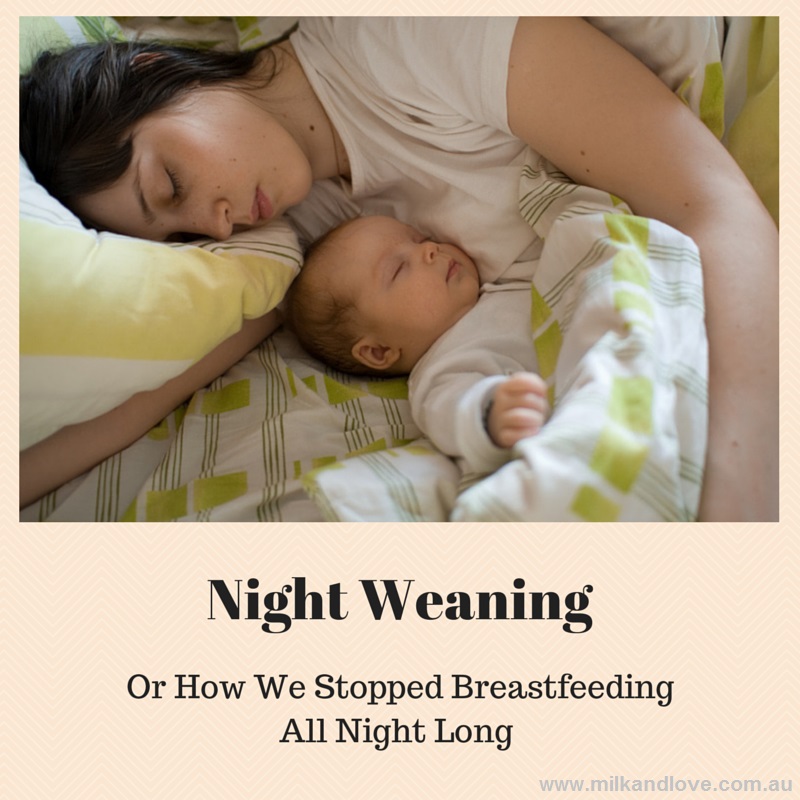
How to stop weaning breastfeeding. If you are not sure whether to continue with breastfeeding you can contact the National Breastfeeding Helpline on 0300 100 0212 every day 930am to 930pm. Reducing feedings one at a time over a period of weeks gives your child time to adjust. Doctors and breastfeeding experts recommend that the weaning process should be baby-led.
Read on to learn more about when and how to wean. See what happens if you offer a bottle or cup of milk instead of nursing. Weaning from breastfeeding is the process of switching a babys diet from breast milk to other foods and drinks.
Dont give your child cows milk until after his or her first birthday. Reduce the number of feedings or pumping sessions every few days allowing your body to slow the production of milk over time. By the time Gabriel was 15 months old we had decreased our nursing sessions as he was fully on solid foods fully transitioned to regular milk in a sippy cup and.
For lots of mothers and babies stopping breastfeeding happens gradually as the child grows and eats more solid foods. Increase feedings during the day if needed to ensure that your little one isnt losing out on important calories. Read more to know about breast pain after stopping breastfeeding its causes symptoms of breast pain after weaning how long does breast pain last after discontinued breastfeeding remedies for breast pain after stopping breastfeeding and some essential tips to stop breastfeeding without pain.
One might consider weaning if breastfeeding becomes a hindrance to mental health or if it has been a traumatic or emotional experience. Many women experience strong emotions and hormone changes when they stop breastfeeding and many babies or toddlers who are not ready to wean will respond with lots of tears. 10 Tips for Drying Up Breast Milk Quickly and Painlessly.
My supply was low and after three months I had to stop says Jennifer two children United Kingdom. If youre forced to stop breastfeeding without warning try to mimic the weaning process with a breast pump. I had some complications after my first birth and lost a lot of weight quickly in addition to suffering from mastitis.
Gently massage the breasts to reduce the likelihood of clogged ducts and infection. Your body will get the signal to make less milk over time slowly. The first step is to reduce to two pumpings a day preferably 12 hours apart.
Try to only pump a little milk from the breasts. Feed your baby right before you go to bed. Express a little milk from your breasts to your own comfort if you become engorged.
Wait a few days between dropping pumpings. Dont express a whole feedings worth of milk. When to wean is a personal decision and will be different for everyone.
For me it was during my 8 month mark of breastfeeding where I thought we had enough. There is no right or wrong way to stop breastfeeding. If you choose to night wean gradually.
Each breastfeeding journey is unique so the right time to wean is going to be different for each mom and baby. Are you Ready to Stop Breastfeeding. No matter when you decide to stop breastfeeding it is ideal to do it gradually.
Stopping to breastfeed in a deliberate and patterned way helps you reduce the risk of breast engorgement blocked ducts or mastitis. Once you are down to two pumping sessions per day reduce the length of each pumping session. You can substitute pumped breast milk formula or whole cows milk if your child is at least a year old.
Gradual weaning by phasing out one feeding or pump session every few days is usually a good way to start says Radcliffe. Repeat this process until you stop breastfeeding and the weaning process is complete. Keep in mind that breastfeeding is about more than just food for the baby.
How to Stop Breastfeeding. Deciding when to wean is a very personal choice. Reduce the number of pumping sessions per day.
Most wean when at peace to stop and some babies and toddlers will self wean explains Georgakopoulos. This means that you should only stop when your baby feels like she has had enough of your breasts. Offer your child only one breast per feed and try to stick to a fixed feeding routine to minimize breastfeeding snacking If your breasts become engorged and painful try to hand express or use a.
When possible avoiding weaning when your little on is sick or there are other major changes occurring might help make the transition a bit easier. 20 Weaning Tips for Breastfeeding Mothers This post may contain affiliate links. Just enough to take the pressure off.
Each child may be ready to wean or stop breastfeeding at different ages. You can wean your child to a bottle and then a cup or directly to a cup. However if you leave it up to your baby to decide when to stop breastfeeding you may end up nursing a 3-year-old baby.
Pumping more can stimulate milk production causing more discomfort from engorgement. The same principles of weaning from the breast apply. For help with the weaning process contact a La Leche League Leader.
For some mamas the end of breastfeeding is a light at the end of the tunnel they are sprinting towards while other moms absolutely dread it and tear up even thinking about the end of breastfeeding.
Most babies are ready to start solid foods around 6 months of age so the extent of exclusive breastfeeding is not often measured past 6 months. How long should a mother breastfeed.
/breastfeeding-and-infant-growth-431721_final-a861bbb0715440f3a708176fdd6de4b3.png) Average Baby Weight And Length During The First Year
Average Baby Weight And Length During The First Year
Results are presented as time ratios.

Average length of breastfeeding. This figure can vary by country. These tend to happen around 3 weeks 6 weeks 9 weeks 3 months 6 months 9 months. However each baby is different and its important not to stop them from feeding too early.
The average bra size in the United States is 34DD. The World Health Organization recommends exclusive breastfeeding ie. 1 The World Health Organization also recommends exclusively breastfeeding up to 6 months with continued breastfeeding along with appropriate complementary foods up to 2 years of age or older.
Breastfeeding is one of the most effective ways to ensure child health and survival. In the UK for example the average is 36DD. Although the US falls behind other nations when it comes to extended breastfeeding- or breastfeeding past infancy- a study referenced by Kelly Mom notes that the average weaning age for US moms who practice attachment parenting is about 25 years.
But breastfeeding doesnt just have health and nutritional benefits. In other words when your doctor asks how often your baby is feeding you can say about every 2 hours if your first feeding started at 6 am the next feeding was around 8 am then 10 am. Read here about what breastfeeding provides at the different ages and stages of your babys life.
The size of your breasts is based upon the amount of fatty tissue that is contained within them. The American Academy of Pediatrics AAP recommends that infants be exclusively breastfed for about the first 6 months with continued breastfeeding while introducing appropriate complementary foods for 1 year or longer. United States average annual 197274 to 199394.
Breastfeeding by mothers 1544 years of age by year of babys birth according to selected characteristics of mother. How Long Should a Breastfeeding Session Last. Count the length of time between feedings from the time your baby begins to nurse rather than at the end to when your little one starts nursing again.
No other fluids or solids for six months and then continued breastfeeding combined with solid foods for 2 years or as long as mother and baby desire. For mothers who continue breastfeeding it can feel so easy that it just becomes a normal response to a child who needs calming. If breastfeeding were scaled up to near universal levels about 820 000 child lives would be saved every year 1Globally only 40 of infants under six months of age are exclusively breastfed.
Women with smaller breasts have less fatty tissue and women with larger breasts have more fatty tissue. Feedings are not usually spaced evenly around the clock. Factors associated with duration of breastfeeding were analysed via multivariate Weibull regression parameterized as accelerated time of failure.
Most babies will vary the time between feedings and the length of time each feeding takes. Average for every year spent breastfeeding the risk of developing breast cancer drops by 43. Review of evidence has shown that on a population basis exclusive breastfeeding for six months is the optimal way of feeding infants.
The American Academy of Pediatrics recommends that infants be exclusively breastfed for about the first 6 months with continued breastfeeding along with introducing appropriate complementary foods for 1 year or longer. While a sheer examination of the numbers has found an average age when mothers typically stop breastfeeding there is no set time to stop. This shows the percentage of babies who received any breastmilk at all at the breast or via alternative methods.
Weaning your baby is something that happens when both mother and child are ready for it to happen and rest assured you will know when it is ready to happen if you know the signs. Breastmilk includes the mothers own milk either at the breast or expressed andor another mothers milk including banked milk other donor milk or wet nursing. The World Health Organization and UNICEF recommend that babies be breastfed for at least two years.
But fatty tissue doesnt make breast milk. Globally La Leche League International notes the average age of weaning hovers near 4 or 5 years. Length of breastfeeding was reported by the mothers and recorded in paediatric medical record at hospital discharge and 2 4 6 9 and 12 months of life.
US National Breastfeeding Rates. Breastfeeding decreases the risk of respiratory tract infections and diarrhea for the baby both in developing and developed countries. A single breastfeeding session can take between 20 and 45 minutes especially during the newborn period.
As we all know the average age of weaning worldwide is four years. The average amount of time a breastfeeding. What Breast Size Has to Do With Breastfeeding.
Breastfeeding has a number of benefits to both mother and baby which infant formula lacks. Or possibly 42 or 45 or about four As with all urban legends there are dozens of subtle variations on the theme floating about on the parenting websites blogs and forums and even on the notorious Extraordinary Breastfeeding documentary ranging from the average age of weaning around the. Often a sick child.
Increased breastfeeding globally could prevent approximately 820000 deaths of children under the age of five annually.
Foods and Breast Milk. You dont necessarily need to pump between every feeding rather you might choose a time that your baby usually goes longer like their first block of sleep each night.
 How To Increase Breast Milk Supply 10 Simple Recipes
Let your baby feed from the first breast until they slow down or stop feeding before offering the second breast.
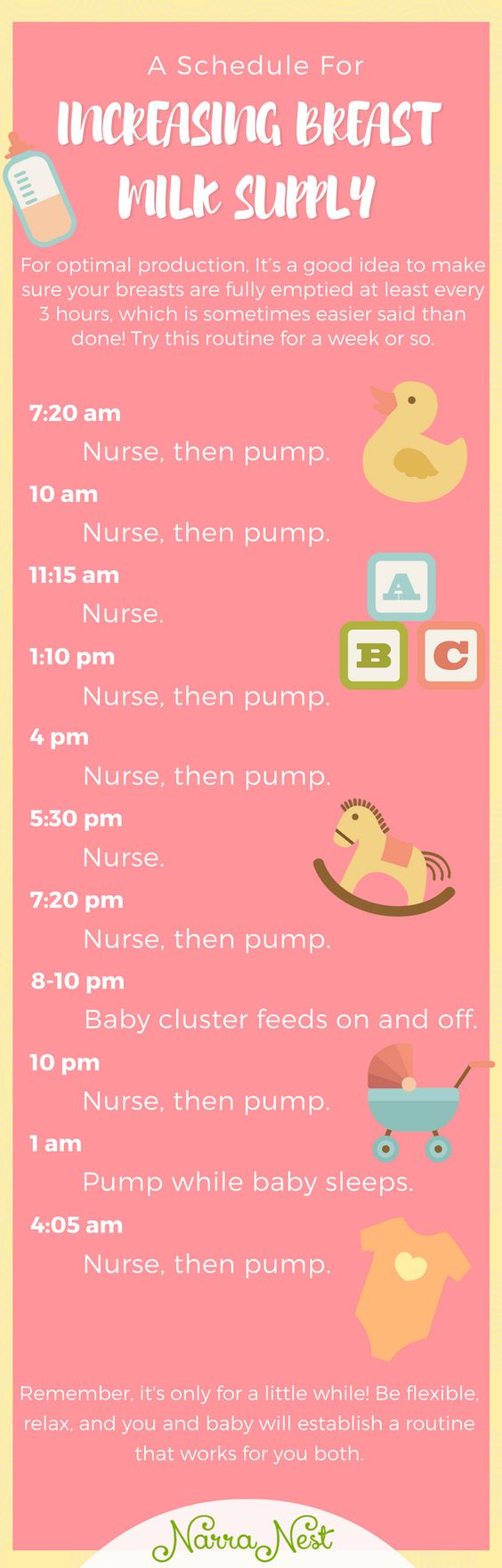
Ways to increase breastmilk. But prolactin also responds to the emptiness of the mammary gland. You dont need to eat certain foods to make more milk. We ask ourselves questions like am I making enough milk or what can I do to boost my milk supply while breastfeeding.
Try to get some protein with all of your meals and snacks. Pumping both breasts will give you twice as much breast milk twice as fast in addition to helping stimulate more production. Make Healthy Lifestyle Changes.
Compression is used to stop milk supply so it is the last thing you want to do when trying to increase supply. Make sure that baby is nursing efficiently. Munch on veggies with hummus or apples with peanut butter.
By using a supplemental nursing system with previously expressed breast milk or even a formula supplement you may be able to get your child to suck longer at the breast. Keep some prepared chicken salad in the fridge. You can consume a handful of dry or fresh dates as snacks or add it to foods such as porridge and desserts.
How to use it. Natural Ways to Increase Milk Supply While Breastfeeding by Nadia Sabri MD. You can consume a handful of dry or fresh dates as snacks or add it to foods such as porridge and desserts.
Pumping at least 8 times during a 24-hour period will help to quickly increase breast milk production. Boost Your Nutrition We need lots of calories while nursing and those calories need to come from healthy whole foods. Fennel contains phytoestrogens which have long been associated with stimulating the production of breast milk.
Massaging the breasts can help a lot in increasing milk supply more than 40. Mothers milk tea can be found at most health stores. Try drinking mothers milk tea.
Not staying well-hydrated can decrease your supply significantly. Many moms wonder about natural ways to increase milk supply at some point in their breastfeeding or breast pumping journey. If you cant pump immediately after nursing try to pump halfway in between feedings.
Both are herbs that have been used to help improve milk supply. This method is also referred to as breast compression which includes gently squeezing and massaging the breasts while feeding the baby. You can eat it raw or mix it with citrus fruits to create a refreshing salad.
Just eat a balanced diet that includes a variety of vegetables fruits grains protein and a little bit of fat. Using a breast pump between feedings can trick your body into thinking more milk is needed thus upping breast milk production. Fennel This is the whole food version of the herb fenugreek which is commonly used in tea form to boost breast milk production.
Ditch your schedule in favor of an anything-goes attitude toward breastfeeding. Breastmilk includes lots of water so it can be a struggle to increase your breast milk production if you arent well hydrated. Pumping in between babys normal feeding sessions is a great way to increase breastmilk supply.
With delayed letdown the breasts remain full longer thus reducing prolactins action on milk production. Your body needs a lot of fluids to make milk. Even sleeping on your stomach with your breasts pressed against the mattress can send signals to your body to stop producing milk.
Staying hydrated is EVERYTHING when it comes to breastfeeding. The stimulation of having both breasts breastfed from can help increase milk. Pump both breasts at the same time.
OK now on to things that can help increase your milk supply. To speed milk production and increase overall milk supply the key is to remove more milk from the breast and to do this frequently so that less milk accumulates in the breast between feedings. Dates could increase your prolactin hormone levels and enhance breast milk production.
Add whole barley to soups stews salads and even risotto. Barley is the richest dietary source of beta-glucan a polysaccharide that has been shown to increase prolactin known as the breastfeeding hormone levels in both humans and animals Simpson writes. And adding more stimulation at the breast is a natural way to increase the amount of breast milk that your body makes.
This increases the flow of milk and promotes better emptying of the nursing breast stimulating the glands to produce more milk. One of the best ways to boost your breast milk supply fast is by having super hydrating drinks filled with ingredients that will help increase your milk supply. Sucking-induced prolactin stimulates the production of more milk.
This is because you are expressing more milk from the breast so your body feels an increase in demand and will therefore increase supply.
Most babies eventually outgrow their allergy to cows milk although food allergies to other substances may be lifelong. If you have a problem with dairy for instance proteins from cows milk present in your own milk can cause problems for your baby.
 5 Clues That You May Have A Dairy Allergy Baby Even If You Re Breastfeeding Dairy Allergy Baby Milk Allergy Baby Cows Milk Allergy Baby
Generally these signs show up between 4 and 24 hours of mom eating the allergen.

Breastfed baby milk allergy. And although colic can affect up to 20 of infants milk protein allergy tends to account for only 5 of the colic cases. Breastfed babies are reacting to the dairy his mother has eaten the milk proteins pass through breast milk while formula-fed babies are reacting to the cows milk proteins in the formula. When a baby has a more severe food allergy the symptoms will display soon after each feeding as long as that food is present in the mothers breast milk.
In addition to milk cheese yogurt and ice cream less obvious dairy products such as. Cows milk either in the mothers diet or engineered into formula is a common source of food sensitivity in babies. For this reason the breastfeeding mother needs to avoid all dairy products.
The Cleveland Clinic says breastfed infants can develop milk protein allergy by exposure to the protein as it is passed through the breast milk 2. An exclusively breastfed baby can have an allergy or intolerance to tiny traces of proteins from his mothers diet passing into breast milk. Can breastfed babies have milk allergies.
A cows milk allergy also known as cows milk protein allergy can occur when cows milk -- consumed by the mother of a breastfeeding baby or used in formula for bottle-feeding babies -- causes. If your GP or an allergy specialist has confirmed that your infant has a cows milk allergy also known as a cows milk protein allergy no doubt you will wish to ensure that your babys diet is. If your baby has a cows milk allergy and is not being breastfed talk to your GP about what kind of formula to give your baby.
If you have allergies on either side of the family it may be beneficial to avoid the foods you or your babys father are sensitive to while you are breastfeeding. You may notice that your baby is calm after eating but suddenly wakes up with distressing symptoms or excessive crying and fussing for long periods of time. Proteins from the foods that you eat can appear in your milk within 3-6 hours after eating them.
The good news is that its actually very uncommon for infants to have an allergy to dairy. Cows milk allergy can cause a wide range of symptoms including. Signs Of Milk Allergy In Breastfed Baby.
No baby returned to develop symptoms once mother started a free diet. Five babies had confirmed breast milk allergy. Spitting up or vomiting.
Breastfed infants may be less likely to develop eczema. If you eliminate these foods from your diet the proteins will disappear from your breast milk in 1-2 weeks and the babys symptoms should slowly improve. Babies can develop allergies to foods that you are eating while you are breastfeeding.
Slimy green or bloody poop. Excluding cows milk from your diet is only going to be effective treatment for colic if its a milk protein allergy causing the colic. Breastfeeding may not reduce the risk of asthma.
It is also helpful to breastfeed frequently. With a milk allergy in infants a babys immune system reacts negatively to the proteins in cows milk. Breastfed babies who are sensitive to dairy in moms diet are sensitive to specific cows milk antibodies in the form of proteins not lactose which pass into the mothers milk.
In its efforts to fend off the invaders the body releases histamine and other chemicals. Pregnant or breastfeeding women dont need to avoid foods that can trigger allergic reactions including peanuts unless youre allergic to them. These are the signs and symptoms of an allergy in a breastfed baby.
Large protein molecules from cows milk can pass into human milk fairly intact and it is these particles that can bother a sensitive baby. Breastfeeding exclusively for the first six months of life has been shown to significantly lessen the risk and severity of food allergies in families with a strong history of them. Three of these babies showed tolerance to other food allergens identified in human milk.
Although it is much more likely that a baby would react to a food he was given directly such as infant formula or dairy produce. If your baby has Cows milk protein intolerance CMPI he might have colic-like symptoms and be wheezy vomit have diarrhea including bloody diarrhea constipation a rash eczema andor a blocked nose. Exclusive breastfeeding or breastfeeding and supplementing with a hydrolyzed infant formula has been shown to reduce the risk of eczema.
That being said it does happen but a basic understanding of milk allergy symptoms will help you more easily identify if you simply have a gassy or fussy baby or a genuine case of food allergy symptoms. Excessive and smelly farts. Peanut white egg andor cows milk were demonstrated as the hidden responsible allergens.
In either case a babys immune system sees the cows milk proteins as foreign substances. Other signs that your colicky baby might have a milk protein allergy include. Skin reactions such as a red itchy rash or swelling of the lips face and around the eyes digestive problems such as stomach ache vomiting colic diarrhoea or constipation hay fever-like symptoms such as a runny or blocked nose.
Some mothers experience not enough milk flow while some actually experience an overflow of milk production. In such cases mothers do not face any major problems.
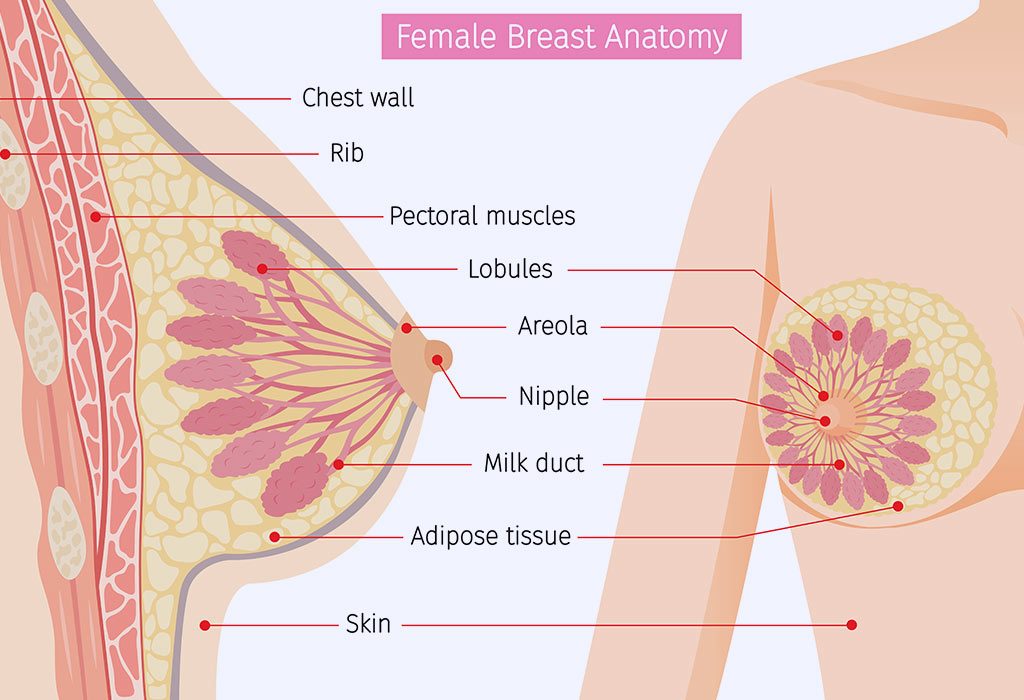 Breast Milk Production Process After Delivery
How Do Oral Contraceptive Pills Affect Breast-milk Production.

What affects breast milk production. Polycystic Ovarian Syndrome Polycystic Ovarian Syndrome PCOS is a hormonal disorder that can also have an effect on your breast milk supply for the same reasonthe hormones are not balanced quite right. When youre physically well getting rest and have a healthy support system your body can focus its energy on making milk. What we eat can affect milk quality in subtle ways and in some cases can affect the quantity of milk.
Menthol present in cough drops much like peppermint affects the breast milk supply and can cause reduction in its secretion. If the thyroid disorder is postpartum mild hyperthyroidism is followed by hypothyroidism and it gradually gets resolved. During this phase of breast milk production your body is waiting for the levels of the pregnancy hormone progesterone to drop which start to fall after you deliver the placenta and milk-producing hormones including prolactin insulin and hydrocortisone to kick into gear.
Heres a more detailed blog post on the causes of uneven milk supply and tips on how. Having thyroid disease while breastfeeding affects the milk supply in a mothers body. An imbalance of hormones.
Breasts that are emptied frequently produce more milk than breasts that are not. While beer with a high hops and barley content may stimulate production of breast milk the beer that we drink more commonly has high alcohol content. If the breasts are emptied frequently it stimulates the milk production so the baby must feed often.
Your letdown can also affect how your baby might latch in their attempts to control the letdown. Diet can also affect our metabolic health which may in turn affect milk supply. Research is showing that a number of nutrients are important for optimal milk production such as protein zinc fibre calcium and iron.
Influences that affect milk production from the mother include. Lack of breast stimulation as well as several other physiological factors can cause a drop in breast milk production. Nevertheless there are some factors that can cause your breast milk production to decrease including.
What Could Negatively Affect Breast Milk Supply After a Cesarean - Stress from Major Abdominal Surgery Stress exacerbates most medical issues and breastfeeding is no different. The composition changes after one meal and also during the lactation period. However if youre worried that your baby isnt getting enough milk talk to your midwife health visitor or a breastfeeding specialist as soon as possible.
By Carrie Murphy and Carole Anderson Lucia September 28 2015 Each product we feature has been. It is therefore important for mothers to rest well. Your health and the condition of your body and mind can affect the production of breast milk.
Stress and fatigue in mothers also have an impact on the mothers breast milk production. Reducing the amount of food you eat whether on. For example if mom suffers from thyroid problems cysts on the ovaries or PSO polycystic ovary syndrome.
The number of feedings greatly influences the amount of milk. Contraceptives that contain estrogen reduce the volume of the milk significantly. Providing quality milk is a primary concern for nursing mothers.
When you are nursing a baby your body needs extra calories to make breast milk. Things that can affect your milk supply Generally the more your baby feeds the more breast milk youll produce. Birth control pills contain estrogen a hormone that can affect breast milk production and eventually lead to a decline in its production.
Additionally a lactating mother can also produce more. Does Thyroid Disease Affect Your Breast Milk Production. This may reduce breast milk production significantly.
Waiting too long to start breastfeeding ideally you may aim to start breastfeeding about an hour or so after giving birth however in some cases this may not be possible. Consumption of regular oral contraceptives can have a drastic effect on both the quality as well as the quantity of the milk. Herbs spices and allergy meds are just a few of the things that can affect breast milk production.
The suction is an important stimulus for milk production. The mothers milk is a rich source of carbohydrates complex proteins lipids and various biologically active additives. Both physical and mental stress has been shown to inhibit the release of oxytocin the love hormone that allows a womans body to relax and produce milk.
Sometimes the cause of uneven milk supply is as simple as your babys preference of hanging out on one side over the other leaving one breast unattended. Hind milk is only released after several minutes of nursing. Higher energy content of hind milk will help to satisfy your childs demand for milk and make him or her relaxed.
Many maternal infant and physiological factors influence the composition of breast milk.
Milk producing hormone prolactin. Dont offer baby supplements when this happens.
 Power Pumping How To Increase Milk Supply Fast Power Pumping Breastfeeding And Pumping Baby Breastfeeding
These are Domperidone and Reglan and they work by by blocking dopamine receptors which results in an increase in prolactin levels.

Will expressing milk increase supply. As baby gets older and your milk supply becomes more established youll find you only produce milk as baby needs it. Massaging or applying pressure to your breasts while breastfeeding or expressing helps with milk flow and drainage. This makes sure your breasts are well drained and helps to increase your milk supply.
These drugs will not work in women that already have normal prolactin levels. You can store it in the fridge or freezer for using later on. Pump for 20 minutes.
Another option is to express after each breastfeed or while your baby is sleeping. With hands-on pumping a breastfeeding person uses their hands to assist in milk removal while pumping instead of relying on a breast pump alone. Kids Health noted that if done every three hours hand expressing can help maintain your supply.
The regular and frequent use of a breast pump to remove the breast milk from your breasts can help you create maintain or increase your breast milk supply. And if your milk production is low expressing can help increase it whilst also providing extra milk to give to your baby. Remember to not let baby go more than 4 hours during the day or 8 hours at night without feeding.
Record on your Expressing Log Sheet when you are pumping and how much you express. 6 am 2 pm 10 pm. You can also save some time and increase milk supply when pumping by using a double breast pump to express from both breasts at the same time.
Breast massage and hand expression combined with pumping will not only help maximize the amount of milk you will pump with each session but will also increase your milk supply overall. It may take a week before you notice an increase in your breast milk supply. Here are some ideas to help you work out if your breastmilk supply really is low and some suggestions that will help you make more milk if it is low.
Mothers who are expressing to increase their milk. Expressing your milk by hand or with a pump helps you establish and maintain your milk production if youre separated from your baby or if he isnt breastfeeding well. Expressing will increase your milk supply.
Expressing milk is a great way to stimulate the production of more breast milk. Milk production rates vary throughout the day with milk supply normally greatest in the morning and gradually decreasing as the day progresses. Pump power hour AKA power pumping is a popular method among breastfeeding moms to increase milk supply especially moms who cant nurse all day.
This will give her a great start as well as increase the volume of milk youll produce in the coming weeks. On the flip side hand expression can also be used to increase your milk supply. It is important to continue frequent breastfeeds minimum of 8 every 24 hours andor expressing to help your breasts make more milk whilst taking domperidone.
One of the most common reasons mothers give for weaning is that they feel they dont have enough breastmilk for their baby or their milk supply is low. After a traumatic birth make sure to take care of yourself first and not stress out too much about your supply. When a baby cant breastfeed.
This will also stimulate your body to make milk. Add this up each day. Your baby nurses more often and is fussy in the evening.
Longterm expression of breast milk to provide all the milk requirements for an infant may be required when the infant is unable to breastfeed directly. Take 1 tablet 10 mg three times a day eg. There are two medications that are not intended for anything to do with lactation but seem to increase milk supply as a side effect.
Pump power hour takes place anywhere you can find some privacy and happens only once a day the same time each day. It works like this. Rest assured that with the support and help of hospital staff expressing milk without directly breastfeeding is completely possible.
Try lactation cookies and supplements Lactation cookie recipes sometimes credit oats or brewers yeast for increasing milk supply. Supplementing will inform your body that the baby doesnt need the extra milk and your supply will drop. The baby nurses more this usually lasts a few days to a week which increases your milk supply.
Initially when you are expressing milk after your babys birth volumes will vary from day-to-day but you should see a gradual increase. Your body has just been through quite an ordeal what you need now is a little relaxation. Removal of the retained placenta should lead to an increase in milk supply.
Whether youre pumping in addition to breastfeeding or exclusively fully draining the milk from your breasts and the stimulation of the breast pump encourages your body to make more breast milk. Ideally breast expression is an interim measure to boost milk supply while the infant develops the ability to transfer milk effectively. Also many babies will cluster feed in the evenings before going to sleep.
This is a normal pattern for a breastfed baby. You can also find herbal supplements such as fenugreek milk. After nursing frequently okay all the time for a few days your supply will increase to meet the demand and most babies will level off and go back to a more predictable schedule.
Vomiting green bile can indicate a bowel obstruction which needs immediate attention. It occurs in 1 out of every 500 or so babies.
 Projectile Vomiting Baby Youtube
Here are some of.

Projectile vomit in infants. This is often congenital and is usually seen within the first 3 months of birth. Vomiting that lasts more than a day or frequent vomiting can indicate infections or structural anomalies. This condition affects a tube in the childs body that connects the small bowel and the stomach.
Pyloric stenosis usually causes forceful vomiting without any warning. Babies who cant keep food down need help quickly to avoid dehydration weight loss and other complications. Pyloric Stenosis is more commonly referred to as forceful or projectile vomiting in infants.
You should also call their. Asian babies are rarely ever diagnosed with projectile vomiting in infants. A baby who is vomiting and sick failing to thrive or has reflux should be a cause for concern.
Babies who have pyloric stenosis often want to eat soon after vomiting. Possetting this is when your baby vomits up small amounts after a feed. Projectile Vomiting in Infants and Children.
These types of vomiting can be source of little worries. If an older child has been projectile vomiting for more than 24 hours call their doctor. Reflux this vomiting is common in babies.
Projectile vomiting usually takes place soon after the end of a feeding although in some cases it can happen hours later. Blood or coffee-ground appearance of vomiting can indicate bleeding in the GI tract. The contents of the stomach come back up the food pipe oesophagus slowly.
This is a serious condition where the pylorus muscles at the bottom of the stomach prevent food from entering the small intestine. The vomit will not contain bile a greenish fluid from the liver that mixes with digested food after it leaves the stomach. This force happens because vomit is squeezed out.
Greenish-yellow or green color vomit can be due to intestinal obstruction blockage. Its a sign that your babys stomach is saying nope not now please. Its normal for babies and children to vomit occasionally.
It hardly occurs when the baby has passed six months of age. While occasional projectile vomiting is not a cause of worry if it is persistent it can cause dehydration fever injury to the esophagus and stomach slow growth rate and sometimes pneumonia as well. Projectile vomiting in infants requires medical care no matter the cause.
What is pyloric stenosis. You might see your baby strain and recoil just before they projectile vomit. In infants and children stomach or bowel obstruction is one of the more common causes of projectile vomiting.
It is caused when the valve at the top of the stomach accidentally opens. Projectile vomiting in infants and children is often the result of a bowel or stomach obstruction which can be due to things like pyloric stenosis where the pylorus blocks food from entering the small intestine Hirschsprungs disease intussusception and malrotation. In some infants projectile vomiting is caused by congenital abnormalities of the intestinal tract.
While occasional dribbles of spit-up after meals is common in infants and usually harmless true vomiting is more concerning. Projectile vomiting after a feeding is a hallmark symptom of a condition called pyloric stenosis which usually starts a few weeks after birth. Projectile forceful vomiting may indicate pyloric stenosis in the babies.
The baby may vomit forcefully ejecting breast milk or formula up to several feet away projectile vomiting. This is an infection of the gut usually caused by a virus or bacteria which also causes diarrhoea. Be alert to blood red or black in vomit.
With newborn babies and infants gastric outlet obstruction is often due to pyloric stenosis. The vomit may sometimes contain blood. In most cases this is insignificant.
The vomited milk might smell curdled because it has mixed with stomach acid. Projectile vomiting in infants is most often due to a condition called pyloric stenosis. The most common cause of vomiting in children and babies is gastroenteritis.
In most cases it will last no longer than one to two days and isnt a sign of anything serious. An occasional projectile vomiting can be normal but it should not occur regularly. Projectile vomiting in newborn babies means the vomiting which is forceful or shoot out and not simple dribbling types of spitting up.
If you notice blood in a breastfed babys vomit ensure there are no cracks or bleeding in nipples since babies may swallow the blood while. In some babies frequent projectile vomiting can be a symptom of a condition called hypertrophic pyloric stenosis HPS. Infants can suffer from projectile vomiting that suddenly occurs after feeding if they have pyloric stenosis.
Vomiting might be mild at first and gradually become more severe as the pylorus opening narrows. This is a relatively uncommon condition that occurs to about two to four in 1000 babies. If your baby is vomiting forcefully call his doctor right away.
According to Kids Health From Nemours projectile vomiting usually takes right after the end of a feeding but in some cases it can happen hours later and may be a sign of illness.
Although many grandmothers and neighbors may swear that a little cereal in their newborns bottle helped him sleep better the American Academy of Pediatrics does not recommend introducing cereal and other solid foods until four to six months of age. Start by serving one or two teaspoons.
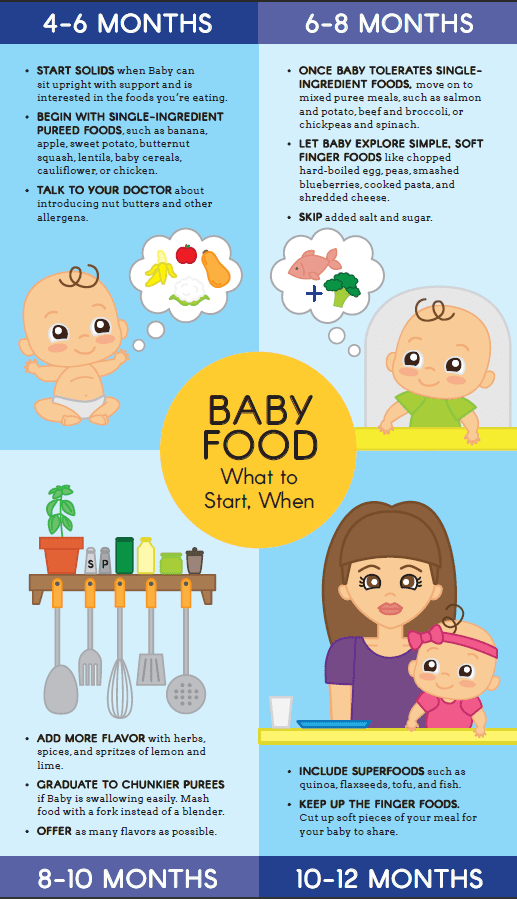 Baby Rsquo S First Foods How To Introduce Solids Parents
Here are some tips on introducing baby cereal to your childs diet.

When to introduce cereal to infants. Support for Starting With Single Grain Cereals Why is infant cereal such a popular choice. After introducing one of the cereals make sure that you wait a few days to see if there are any allergic reactions. By the time he or she is 7 or 8 months old your child can eat a variety of foods from different food groups.
Before that age young infants need only breast milk or formula. Also you dont have to introduce foods to your child in any special order. Some people might suggest feeding a baby rice cereal starting at 6 months whereas others might suggest as young as only 2 or 3 months old.
In fact there is a growing trend to SKIP the cereal and start with other options and good evidence to back up that choice. And while cereal is a traditional first food in the United States its fine to start with mashed fruits or vegetables instead. Best Multi-grain Baby Cereal While single-grain foods are the best baby cereal types to use as first foods for infants there comes a time when the child is ready for multi-grain cereals usually between 6 and 8 months- and the Nestle Nestum 3 is one of the best recommendations here.
When To Introduce Rice Cereal To Babies. A baby is considered ready to begin solids when they can 11. If you think your baby is ready and you have the green light from the pediatrician here are some tips for introducing your baby to cereal based on some research and my own experience.
The AAP recommends that infants begin solids around six months of age though the primary source of nutrition at that age should still be from breast milk or infant formula. Offering one single grain cereal at a time provides you with the opportunity to identify the source of any potential sensitivities. As your baby becomes a more experienced eater usually around 7 months or older gradually reduce the liquid you add and thicken the texture.
Offer a variety of single-grain cereals such as rice oatmeal or barley. Some doctors will recommend it even earlier as a way to help newborns sleep. Here are good first foods to start with for spoon-feeding.
If you start with baby cereal pick a single-grain iron-enriched whole-grain variety like brown rice whole-grain oat or whole-grain. Aside from being at least 6 months old it is important to take note of signals that they may or may not be ready for this next step. Avoid feeding your baby only rice cereal due to possible exposure to arsenic.
These foods include infant cereals meat or other proteins fruits vegetables grains yogurts and cheeses and more. Moms are urged to add a little rice baby-cereal and formula to babys bottle as a way to keep him full and sleep through the night. If your baby is four to six months old its time to get started with one of these cereals.
First make sure that your baby is ready to start eating solid foods. Those who advocate beginning with infant cereal do so because. If your baby does not eat meat aim for at least 125 ml of cereal on average each day by 9 months of age.
Most pediatricians recommend starting rice baby cereal at about 4-6 months old for babys first food. When Can You Introduce Baby Cereal. While many doctors might suggest that your little one start first on baby cereal many 6-month-old children really dont seem to like it and breastfed babies really dont need it.
Making sure foods are a manageable texture for babies is important to prevent them from choking. Babies can usually begin consuming solids between four and six months of age 10. How to Introduce Cereal to Your Baby.
But just because someone else gives their baby rice. New research suggests that introducing grains that contain gluten for example oats is not linked to an increased risk of celiac disease or gluten intolerance. Before serving your tot their first bowl of cereal youll want to keep a few things in mind.
Once your baby gets the hang of swallowing runny cereal mix it with less liquid and gradually increase the serving sizes. Your child can begin eating solid foods at about 6 months old. If you want to give your baby a taste of tofu at age 6 months go ahead even though its not listed on our chart until age 8 months.
The smooth texture of the baby cereal means your baby shouldnt have difficulty chewing or swallowing it. Your babys first cereal should be a single-grain cereal. Baby cereal may be the first food you introduce to your baby.
Rice Cereal Package Recommendations Most rice cereal packages recommend that your baby is at least four months old before you offer it as part of their infant nutrition. When your baby is about 6 months old has control of their neck and head can sit in a high chair and they are showing interest in solid food aka your food you can talk to your doctor about.
Food sensitivities can cause excessive spitting. Almost all babies have stopped spitting up by the.
 Spitting Up And Vomiting
Spitting up is very common among normal infants.

Baby excessive spitting up. Although reflux can make your baby and you miserable the good news is its not serious and usually subsides by the time a baby is about 6 months old. If youre concerned about spit-up during sleep you can elevate the head of your babys mattress or crib a few inches to keep their head higher than their stomach. Following every feeding hold the.
Baby spit up increases significantly. Babies may spit up curdled milk occasionally without apparent causes. More than two-thirds of babies will have reflux that causes spitting up as often as a few times a day.
Its not the same as vomiting which. And it is a large amount. Sometimes babies spit up because they are burped.
Vomiting occurs when the flow is forceful shooting out inches rather than dribbling from the mouth. Still this is a worthwhile measure. Whether breast or bottle-fed your baby may experience less reflux and spit up episodes if offered smaller more frequent meals versus fewer and larger feeds.
Removing air may also make more room in your babys stomach to continue the feeding. Breastmilk oversupply or forceful let-down milk ejection reflex can cause reflux-like symptoms and usually can be remedied with simple measures. Spitting up is the mild vomiting or regurgitation of food milk and saliva that can occur in infants.
Spitting up is the easy flow of a babys stomach contents through his or her mouth possibly with a burp. Baby is coughing gagging or otherwise struggling to eat. He doesnt cry when it happens.
Spitting up is not forceful and does not contain large amounts of food and fluids. Some babies just spit up more. Normal spit-up can usually be handled at home and does not require contacting your childs pediatrician.
At this point the muscle begins to tighten. Reflux happens when your baby regurgitates food from their stomach and spits up. A health care professional should be consulted immediately if a baby shows such symptoms as spitting up blood blood in the stool weight loss failure to thrive including lack of weight gain and.
He spits up usually 3 times after a feeding sometimes during. Vomiting is usually more forceful and a greater quantity than if your baby is just spitting up some of his latest meal. Fewer than half of infants spit up on a regular basis and almost all infants spit up at least once in a while.
Spit-up is what happens when the contents of your babys tummy come back up easily -- not forcefully -- through their mouth. Baby is losing or not gaining weight. After a burp your baby will be more comfortable.
In addition to their developing digestive system there may be a few other factors causing excessive spit-up. Immature gastroesophagealsphinctersmay cause stomach contents to come up. Sometimes it comes out of his nose.
The most likely offender is cows milk products in babys or moms diet. Possible Reflux When Baby Spits Up Your son might have a mild form of acid reflux. This may cause your baby to take too much milk or drink it too quickly.
When you burp your baby you are helping release the air swallowed during the feeding. Call your pediatrician if. Its been 8 years since my last baby so bear with me.
How can I tell if hes spitting up or vomiting. More than Ive ever seen any baby spit up. If he seems distressed hes probably vomiting.
This is very common and usually not treated unless the baby is in pain or doesnt gain weight as he should. However excessive spitting up of curdled milk can be due to any of the following reasons. My son is 6 weeks old.
It happens with every feeding. Although spitting up peaks in babies at around four months of age every baby is different so your son may take a little longer to overcome it. Acid reflux can be a common cause of spitting up curdled milk in new borns and young babies.
Spit up is green or has blood in it. I feel like he spits up excessively. It often comes along with a burp.
Although baby spit up generally isnt cause for concern excessive baby spit up can occasionally be tired to anatomical dysfunction or metabolic disorders. If your child is spitting up past 12 months of age spitting up is increasing or they seem. Some causes of excessive spitting up.
Top five tips to prevent GER and frequent spitting up in babies 1 Feed on demand ideally in smaller more frequent meals. Most babies stop spitting up by around 6 or 7 months of age or once they learn to sit up on their own but a few will continue until their first birthday. Oversupply of breast milk.
Our recommendation for coffee while pregnant is to limit yourself to a cup a day or better yet none at all. Just because the label says decaf does NOT mean that the beans are caffeine-free.
 Can You Drink Decaf Coffee While Breastfeeding
Moms likewise need to keep in mind that caffeine is discovered in lots of other food sources like soda chocolate tea and more.

Decaf coffee and breastfeeding. It is just as safe or even safer than caffeinated coffee. WHAT ABOUT DECAF COFFEE WHILE BREASTFEEDING. Try decaffeinated alternatives a coffee substitute might taste just as good.
521 excessive caffeine consumption by the mother more than 750 mg per day can result in a baby who shows signs of caffeine stimulation. Drinking moderate amounts of caffeine or the equivalent of about two to three 8-ounce cups each day is unlikely to. Decaf coffee beans are washed in solvents to remove 97 of the caffeine content prior to roasting.
Some people believe that the method that uses chemicals means that their coffee contains that chemical but they are incorrect. An average cup of coffee contains 95mg of caffeine but some types contain over 500mg. Decaf coffee has a small amount of caffeine in it.
There are a few different methods for doing so. Decaf coffee is still highly acidic so may affect the amount of iron in breast milk. Additionally pregnant and breastfeeding women are advised to limit their caffeine intake.
Some caffeine-free teas like decaffeinated green tea or Celestial Seasonings are also excellent choices. While decaffeinated coffee still has caffeine its much less than a cup of regular coffee. For example a 16 ounce Grande cup of Starbucks decaf coffee has 25 mg of caffeine while a 16 ounce Grande cup of Starbucks blonde roast has 360 mg of caffeine.
For more information about th. I did a lot of research on it when I found out I couldnt have caffeine because I love. The organic decaf and vegan nursing coffee was created by a breastfeeding mother and advocate after she struggled to feed her newborn due to delay in lactation and pains when her milk eventually came.
However if you have any concerns about a particular tea check with. It appears caffeine isnt an issue. Thats important to be aware of when breastfeeding as its generally considered safe to drink up to 300 mg per day about 23 cups of coffee or 34 cups of tea.
Even if it were decaf coffee seems to stand in the clear. According to Breastfeeding Answers Made Simple Hale Publishing 2010 p. Drinking 1-2 cups of coffee a day or decaf coffee during breastfeeding is perfectly acceptable.
The average 8 oz cup of decaf coffee still contains about 7 mg of caffeine which is enough to have an effect on your growing unborn baby or your newborn through breastfeeding. Our recommendation for coffee while breastfeeding is much looser. Therefore moderate amounts of caffeinated coffee and tea as well as decaf tea are perfectly acceptable while breastfeeding.
The Swiss Water Decaf process uses water - and only water - to decaffeinate the beans - no chemicals - and is 999 caffeine free. Mothers also need to remember that caffeine is found in many other food sources like soda chocolate tea and more. There is little sound evidence that coffee consumption leads to birth maladies of any kind especially decaf coffee.
Drinking decaf coffee during breastfeeding is perfectly acceptable. The Swiss Water Decaf process uses water - and only water - to decaffeinate the beans - no chemicals - and is 999 caffeine free. Nescafe decaffeinated or chicory caffeine-free coffee such as Chicco Inca Pero and Roma are some good alternatives.
The reason why it is a well-known product that makes it stand out from other coffee brands is that it contains a mixture of both light roast and dark roast bean that originate from South and Central America. Coffee and breastfeeding are usually compatible with each other provided that you drink coffee moderately. The Wild Coffee Lonestar Decaf Coffee is a premium coffee brand that ensures that the quality of tasting and flavoring is high.
Coffee Caffeine and Breastfeeding. Decaf coffee is a great way to substitute your daily caffeine addiction whilst youre pregnant or breastfeeding and its absolutely safe for you and your baby. Yes decaf coffee has gone through some sort of process to remove the caffeine.
Caffeine is a stimulant and should be used with caution when it comes to pregnancy and breastfeeding. If a mother consumes daily 750 mg of caffeine or more the amount of caffeine in five 5-oz cups of coffee and her baby. If this is the case decaf coffee and regular coffee pose no threat to the fetus during pregnancy.
If decaf coffee is consumed along with caffeine- containing foods then caffeine levels in breast milk could rise. Decaf Coffee DOES Still Contain Caffeine. If decaf coffee is taken in along with caffeine- consisting of foods then caffeine levels in breast milk could rise.
Decaf coffee is a great way to substitute your daily caffeine addiction whilst youre pregnant or breastfeeding and its absolutely safe for you and your baby. You dont need to stop drinking coffee if youre breastfeeding. However if your baby seems to show signs of being overly stimulated by caffeine you can gradually decrease your coffee intake and regulate your consumption of other caffeine-rich food and drinks.
The caffeine content ofRead more.
Increasing your milk supply is probably going to take a little time. There are several ways to help increase the amount of breast milk you can pump.
 I M Not Pumping Enough Milk What Can I Do Kellymom Com
Fenugreek is probably the most popular of these and some mothers see an increase in pumping output after 24-72 hours of starting it.
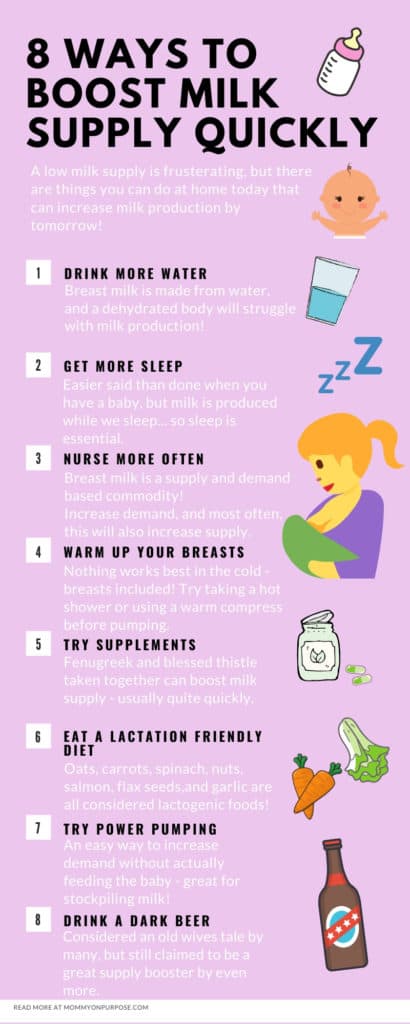
How to increase milk when pumping. If you are using an electric breast pump warming up your breasts before the session can significantly increase milk supply. So if you are producing less than what your baby is eating or you just desire to have some fresh breast milk in the freezer then it is time to increase your milk when pumping. During power pumping when you want to increase your milk supply it is recommended that you double pump for about 15 minutes.
Cluster feeding is when your baby feeds more often every 20 minutes and even more frequently in-between his normal feeding times. The number one way to increase your milk supply when pumping is to increase how often you pump. A double breast pump helps stimulate milk production while reducing pumping time by half.
It may be helpful for you to keep track of this. Through pumping and hand expression youll likely be able to get more milk out of your breasts immediately but it may take. Pump for 10 minutess- rest for 10 minutes pump 10 minutes rest 10 minutes and lastly pump again for 10 minutes.
Blessed thistle is another herb that may help increase milk supply. Pump for 20 minutes then rest for 10. However adding even a short pumping session increasing frequency but perhaps not removing milk thoroughly is helpful.
There is no sense in pumping for 15 minutes and then trying it again in 15 minutes. Gently pressing on your breasts while pumping may help empty them. By emptying your breasts a few times back-to-back you trick your body into producing even more milk.
A pumping schedule is an important thing if you want to pump more breast milk. Using breast massage while pumping hand expressing after using a pump choosing the right pump and many more ideas have helped mothers to increase their milk supply by pumping. You wont need much equipment just a quality pump and some breastmilk storage containers.
Pumping Breast Milk at Work 7 tips for working moms. When will I notice an increase in my milk supply from power pumping. Power pumping is basically a manual version of cluster feeding - something your baby may do naturally to stimulate more milk production to support his growth.
Massage Your Breasts to Boost Milk Supply. When youre already breastfeeding you can get a lot of benefit from pumping milk too. Convert one or two of your regular pumping sessions to power pumping.
Also this method does not work for everyone. Lots of studies have proven it to be effective. Some lactation experts recommend taking it with fenugreek for the best results.
Tips to Increase Milk Supply When Pumping. You may feel thirsty or hungry while youre pumping so place a glass of water or juice and some healthy food next to your pumping spot before you begin. What is power pumping to increase milk supply.
It could a couple of days for your body to respond but its worth the wait. Breast milk truly is great or babies and I highly recommend it because o its awesome God- given qualities. Cluster pumping is a technique of pumping every five minutes to give your breasts repeated.
However you dont need to bother yourself with increasing your milk production if your baby is gaining weight peeing and pooping regularly. It will be easy to grab a snack and sip a drink if its within your reach. Any amount is good as everybody is different.
I notice at least 2-3 ounces more each session. If you can pump both breasts simultaneously. Massaging breasts while or before pumping is a great way of stimulating the breast cells to make more milk and empty the milk ducts well.
Breastfeeding should be a wonderful experience for both mother and baby. Or if you are desperately want to increase your milk supply fast do the cluster pumping regime over the weekend. Pump for another 10 minutes rest again for 10.
If you do it frequently youll have a great stockpile of freezer milk for emergencies. This is to ensure that you boost and increase your optimum breast milk supply. When pumping to increase milk supply to ensure that the pump removes an optimum amount of milk from the breast keep pumping for 2-5 minutes after the last drops of milk.
Today I am going to give you a heads up on how you can get more breastmilk every time. The easiest way is to use a warm breastshield. Increase Your Milk Supply With Pumping.
It might be because of oxytocin reflex letdown reflex or the milk channels receive less obstruction. It will also stimulate the let-down reflex and your breasts will start releasing more milk naturally. I want your supply to be increasing each time you breastfeed and pump.
Find an hour to pump without interruptions preferably in the morning when your supply is likely at its peak. Your body needs lots of fluids and some extra calories to produce milk. If youre working full time try to pump for 15 minutes every few hours during the workday.
If you normally pump milk early in the morning make sure that you do it at the same time.
Baby Poo From Formula-fed bubs. Is anyone else experiencing the same.

In the following days the baby will begin pooping and peeing more regularly.
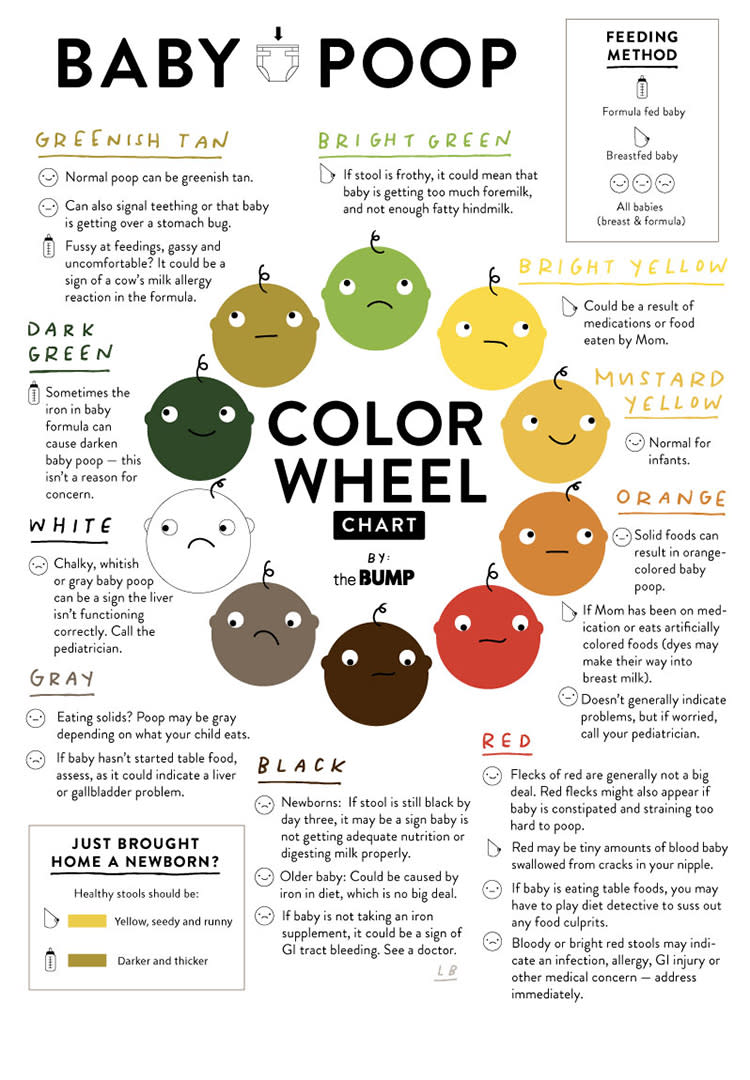
How often should a baby poo. So if your baby normally passes a soft stool just 1-2 times per week and goes 7 days without a bowel movement thats probably nothing to worry about. What your baby is fed can also determine how often they poop. But can also come out green.
Im a bit concerned as my 4 week old hasnt had a poo since Sunday. Baby will usually pass more stool after starting solids. She farts a lot though.
A newborn baby can average around 12 changes in a 24-hour period but you may be relieved to hear that this does slow down as your baby gets older phew. She doesnt seem to be in any pain and has been feeding normally. During the meconium phase the first few days after birth your baby may have four or five tarry dark greenish-black stools spread out over two or three days.
Her poo is very watery shes pooing more often or passing larger amounts than normal shes started solids and is pooing more than three times a day. Whats most important is that your babys poop is coming out reasonably soft. During these periods the ability of a child to pass a stool should remain regular but the number of stools produced each day should fall as the baby grows.
The poo often as a yellow-orange tinge almost like mustard. Poop once a day sometimes more often. Whether you feel you are changing nappies every ten minutes or worrying that youre not changing them often enough it is likely that your babys bowel movements are normal.
Your baby should continue to have frequent daily poops through the first six weeks. Some babies are like little poop machines pooping several times a day usually around every feed. If youre bottle feeding then you may see up to 5 full nappies a day in the first few weeks decreasing to about once a day after a few months.
The baby poo smell can be affected by mums diet but it is often neutral or slightly sweet-smelling. Some babies dont poop for a day or two -- even a week. Regardless it never hurts to bring up your concerns with your pediatrician.
This usually decreases after around six weeks. Some breastfed babies may only have one bowel movement a week. Until about 6 weeks of age most babies pass stool two to five times per day.
Baby Poop After the Newborn Stage No matter how your baby is fed its actually normal and expected for the frequency of pooping to slow around 6-8 weeks says Ari Brown MD a Parents advisor. If youre breastfeeding then your baby may poo several times a day sometimes as often as every feed. Will my babys poos change if I switch from breastmilk to formula milk.
This is the time however when your nappy disposal unit will be your best friend. What goes in must come out so just about every feeding in the early weeks following birth should produce a bowel movement. As long as your baby is feeding normally and gaining weight 1 to 2 pounds a month dont worry about the number of.
As your infant grows you may begin to see a change in how often babies poop between the four to six week period of time. After a month or two she may go once a day NHS 2018a. Baby poo - and whats considered normal - is hot topic for new parents.
Your baby may poo up to five times a day in the early weeks NHS 2018a. There is a range of healthy when it comes to how often a baby should poop. Some babies have a bowel movement after.
How often does your baby poo. Original posters comments 2 0. Parents in our community often come to us with the ever-daunting task of figuring out how often should a newborn poop what their babys poop colour means and whether they should be worried or not.
The number and type of movements your baby has will indicate whether hes getting enough to eat. If your baby normally poops once a day and goes 7 days without then you should be worried. Breastfed newborns often poop after every feeding roughly six to 10 times a day but after three to six weeks they typically slow down and start having bowel movements less frequently.
Poop can come in a rainbow of colors changing to yellow green or brown. After this baby may only poop every few days. Your baby may have diarrhoea if.
Expect at least 3 bowel movements per day but may be up to 4-12 for some babies. The frequency of poop may vary from day to day and thats normal but just make sure theyre having a minimum of 3 per day. Baby poo from formula-fed bubs is generally firmer but can vary in consistency based on the.
It takes a lot of work before a child is ready for night weaning and without this input from you first night weaning can cause a child to wake more. Commit to the process.
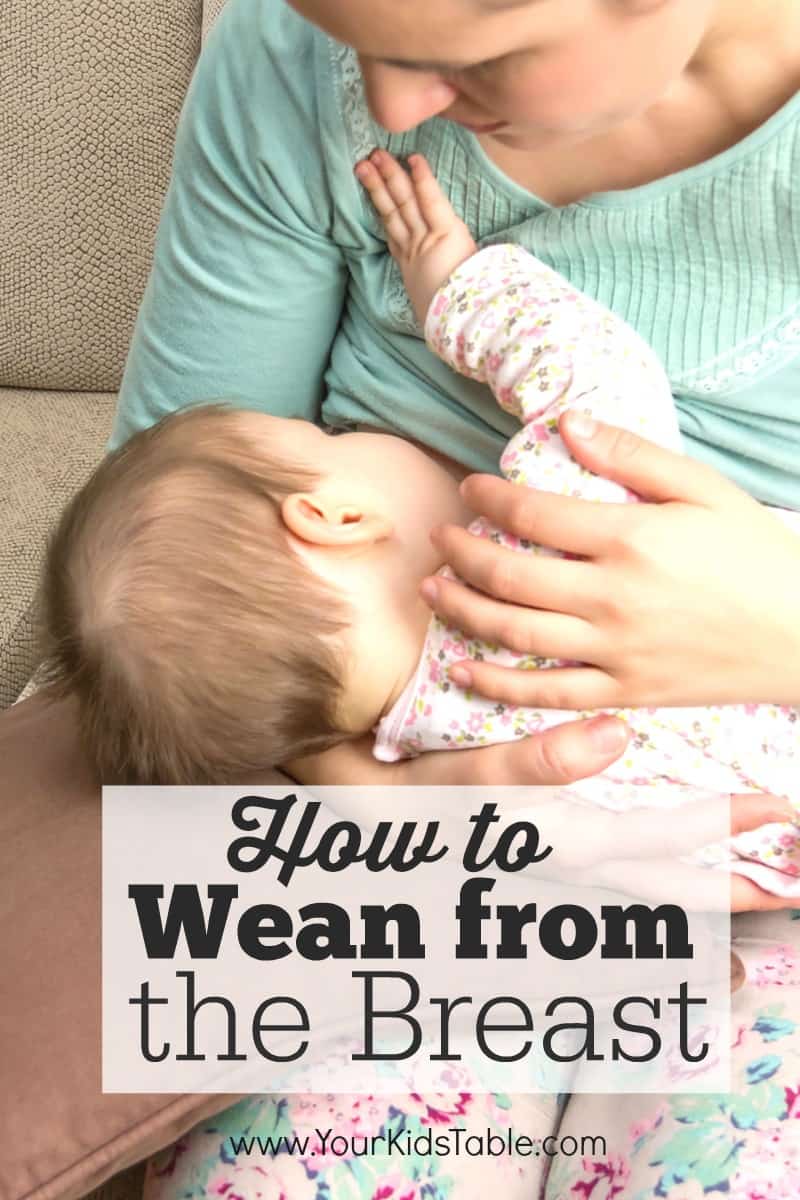 Stopping Breastfeeding The Complete Guide Your Kid S Table
Solid foods are an important one and by this time your toddler should be enjoying a wide array of them.
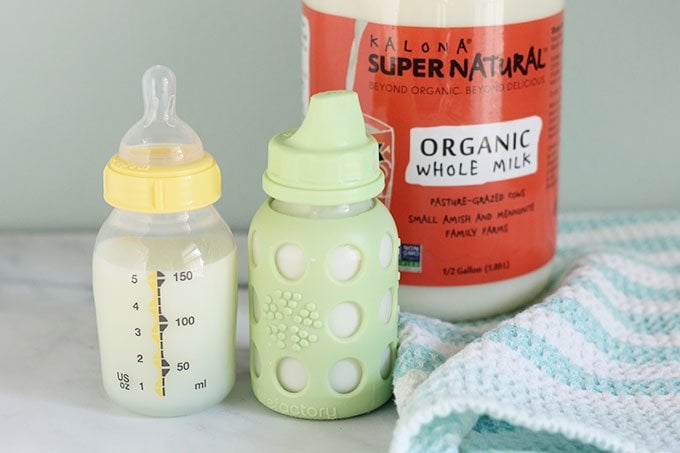
How to wean 2 year old. One day we went to Target and I had her pick out a special sippy cup. Get Rid of Bottles. Now to be clear shed been drinking from cups forever at this point.
Choose your Battle Wisely. If now is the right time for you both start by replacing one or two nursing sessions per day with pumped breast milk or whole milk given to them in a cup and be sure to make up for that lost reconnection time by spending a little extra quality time with your growing toddler. Use a bottle nipple with a slow flow at first.
1Introduce a Sippy Cup at Daytime. Kathy Dettwyler has written about the natural human age for weaning and found through her research that this is between the ages of 25-7 years old. Furthermore the American Academy of Pediatrics recommends that once a baby is more than 12 months old then it is safe to wean him or her.
Weaning toddler win No. You can also take a pain reliever if you have lots of discomforts. In the next installment in The Breastfeeding Chronicles Wendy explains why breastfeeding her son for far longer than shed initially thought has been right for her family and talks about how the support of other moms has been.
But now hes 2 years old and theyre still going says the 43-year-old full-time working mom from New Hampshire. 7 Easy Tips to Wean 2 Years Old Off a Bottle at Night. Introduce them to the sippy cup.
Until now she has continued to breastfeed a few times a day and night I talked about my experience nursing a toddler hereI thought Id share our experience to encourage other parents who are committed to gentle parenting day and night and to help them see that it does indeed get. Weaning Tips 5 Cabbage LeavesOr Vinegar Cabbage leaves are helpful for reducing supply and also easing engorgement during weaning. What steps can I take to wean my 2 year old daughter off breastfeeding.
Distraction may become your best friend when weaning a toddler. To make you feel better a 2-year-old is able to eat solid food and is therefore capable of going without breast milk. Reduce your nursing sessions one by one.
She is just now starting to sleep through the night but we still nurse multiple times throughout the day and up until only a. For co-sleeping mamas I recommend weaning night feeding first then daytime. Over the last two weeks weve been slowly and gently attempting to night-wean our two-year-old.
Think gradual meaning this process may take many months. Toddlers do wean Many wise women here have been telling me that for at least 6 months. I breastfed my oldest boy until he was just over two years old and my middle boy breastfed until he was three and a half.
To summarize here are the 6 steps to wean your toddler successfully. Consider yourself and your child to be moving toward weaning as you embark on this process. Talk to your toddler about the changes.
HEAD HERE to read more about this. So this is what I did. To help you wean you can have the child sleep near dad instead of you.
So happens she has a business trip she had to go on for 3 days 2 nights - she didnt pump or anything before hand. When she got back her daughter was pretty much on the sippy cup - everyone once in a while she has to deal with a meltdown for a request of boobie but she doesnt give in and her 2 year old is adjusting well. This isnt a great reason to night wean in my experience.
Change your Toddlers Nighttime Routine. Replace one feed a day with the sippy cup. Dilute Milk in the Bottle.
I never imagined Id be nursing a 2 year old heck I never imagined nursing an 18 month old. But this was a 2-year-old child I was dealing with. Continuously tell them they are growing up when using the sippy cup.
Test to see if your baby is ready for a sippy cup. When introducing your child to a bottle choose a time when he or she isnt extremely hungry and might have more patience. Shorten your nursing sessions.
Offer your mini her favorite foods during times when she traditionally asks for the breast and start to add in whole milk in a bottle or sippy cup when possible. 7 Easy Tips to Wean 2 Years Old Off a Bottle at Night. You can wean your child to a bottle and then a cup or directly to a cup.
Weaning is a transition from a specific kind of physical connection but be sure you are offering plenty of other forms of physical connection. Tell your child that the nummies went night night too and that they will have to wait to nurse until morning. It is therefore safe to wean a 2-year-old.
Am I considering night weaning because I am exhausted. Stop on-demand and irregular nursing. And she was set in her ways.
My two year old is breastfeeding. Theyre not known for being you know compliant and easy to change. Have your partner take over bedtime duty.
Place a cold cabbage leaf on each breast and change every 2 hours until breast engorgement has passed. I have been stressing about it for awhile now. Weaning a toddler can seem daunting but it doesnt have to be.
Pumping at the same times or as often as your baby normally breastfeeds should help your body make about the amount of milk your baby needs. While it takes practice skill and coordination it gets easier over time.
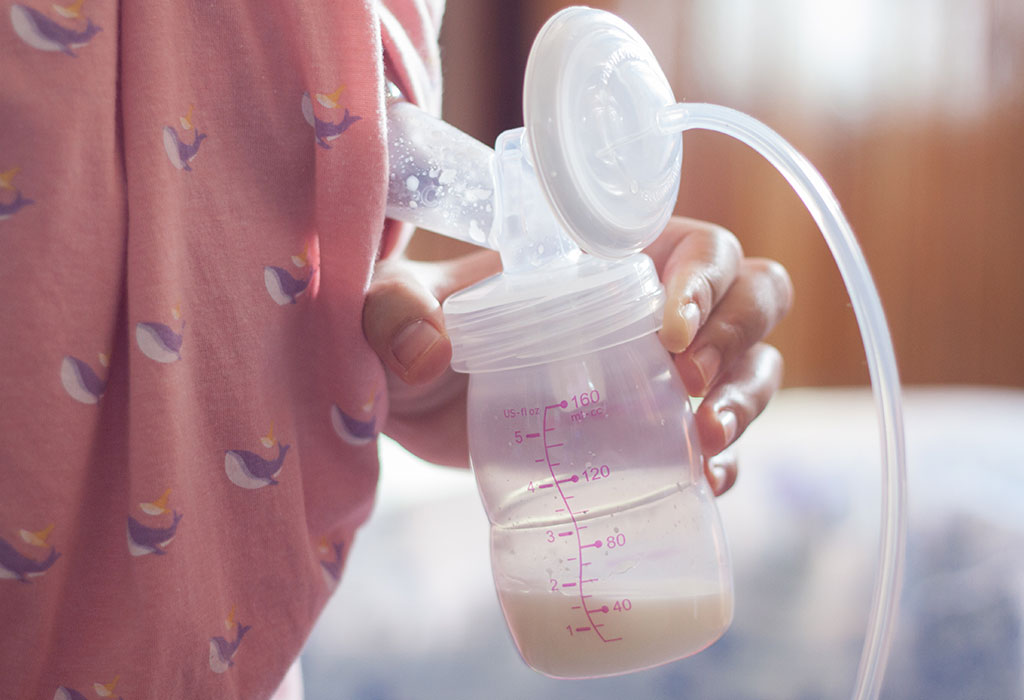 10 Side Effects Of Using Breast Pumps No One Told You About
How cool is that.
Benefits of pumping breast milk. Exclusive pumping allows you the ability to do it on your own time schedule. It is an endless cycle of washing and sanitizing bottles and nipples. Formula feedings will reduce your babys demand for breast milk which will lower your milk production.
You can transfer milk from your breasts into a bottle by hand expressing or pumping pumping means to express milk with the help of a mechanical or electric breast pump. In a perfect world your boss would be understanding and accommodate your needs during those few months when youre pumping milk. Formula can never be made to do that The Benefits of Pumping.
To maintain your milk supply its important to pump anytime your baby has a feeding of formula or expressed breast milk. Colostrum is filled with antibodies that help fight diseases and illnesses. The most complete form of nutrition for infants breast milk offers a range of benefits for health growth immunity and development.
Breast milk is considered the gold standard when it comes to feeding your baby and the American Academy of Pediatrics AAP recommends babies receive breast milk for at least the first year of life. Breast milk can actually change to help fight off illness for a sick baby. Some drawbacks of pumping breast milk include.
A baby in need of nourishment would go to the breast and try to feed until they receive the milk needed for survival. A breast pump helps a nursing mother to pump and store breast milk in order to allow the baby to enjoy the benefits of breastfeeding even when the mother is not around. Increase supply of milk One of the most common ways to increase breast milk for a young one is through breast pumping.
The World Health Organization recommends breastfeeding exclusively for at least six months and even up to two years and beyond because of the long-lasting benefits of breastfeeding for both you and your baby. In the instance of a baby developing jaundice right after birth and quitting breastfeeding the pumped-up breast milk collected and save during pregnancy can be given to the baby. And you have to think about refrigerating what you pump.
Why would they choose to do this. Provides extra milk for storage. After all few people dispute the benefits of breastfeeding for babies.
That thing is heavy. Although in todays technological world the breast pump may seems like the best choice traditional methods can be just as effective if not more. Well some of the benefits of exclusively pumping include.
Benefits of breast pumping pros Your baby still gets liquid gold with all the nutrients Liquid gold is colostrum the first milk you get after giving birth. Generally you do not want to be be power pumping breast milk all the time. Hand expressing breast milk and hands on pumping are thought to be more effective at draining the breasts increasing your yield of breast milk and increasing the fat content of your milk.
Pumping allows you to supply your baby with nourishing breast milk even if you arent physically with your baby. Benefits of Pumping Breast Milk During Pregnancy Colostrum with its high levels of immunoglobulins can provide an infant with considerable immunity. A mother who breast pumps will realize that she can produce more milk than other mothers who dont hence it is an added advantage for the mother to pump as well as feed her child.
Hand expressing or pumping your milk can give your partner and others a chance to feed your baby. This amount may differ from baby to baby and can change as babies grow. Just make sure that breastfeeding is well established before you give your baby the bottle.
Whether youre exclusively pumping to feed your baby or trying to keep up with your supply after you return to work there are many benefits to using a breast pump. Its healthier than formula not to mention cheaper. To get the hang of it its a good idea to practice pumping for a few weeks before you need to rely on expressed breast milk for your baby.
This added pumping will work with your babys natural feeding schedule to tell your body that more milk is in demand. Some of the benefits of pumping breast milk during pregnancy can be. This helps working mothers.
Remember the more you breast-feed your baby or pump while youre apart the more milk youll produce. It is easily digested and may ease the early passage of babys first bowel movement which can help prevent jaundice. What are the benefits of pumping breast milk.
But does pumping provide the same benefits as directly latching your baby to your breast. Carting a pump around. Fewer immune system benefits There is not a feedback loop between the baby and the breast milk when a woman exclusively pumps their milk or uses.
By pumping and bottle feeding its easier to monitor intake because you know exactly how much your baby is eating at each feed.
My nine month-old girl has only gained nine ounces in six weeks and on the percentile charts sits below 10 percent. It is important for you to recognize these feeding cues and put your baby to your breast when he or she cues.
 How Much Weight Should My Baby Gain Each Month Parents
If even after regular breastfeeding you feel that your babys weight gain is not enough then these tips and list of foods will help you improve the increase in fat-rich milk supply and help baby gain weight faster.
How much should breastfed baby gain. The average newborn gains 4 to 7 ounces per week so if your baby is gaining less he may not be getting enough to eat. Breastfed babies should gain 4-7 ounces in the first month of life. Here is the weight gain outline for a healthy breastfed infant.
How Much Should Breastfed Baby Gain. An average of one pound 12 kilogram per month from six months to one year. By one year the typical breastfed baby will weigh about 2 12 3 times birth weight.
An average of 1-2 pounds 12 to 1 kilogram per month for the first six months. But the fact is whatever the mother eats it has a direct connection with the health of the baby. Regarding this how much should a breastfed baby gain per day.
During the second six months it averages 4-5 oz. On average your baby should gain about four to five ounces weight per week. By 2 weeks of life a breastfed baby should be back to their birth weight.
How to help baby gain weight while breastfeeding it is the common question among the mothers. Weight g week. Breastfed babies can also gain up to an inch in length each month during the first year of life.
Remember these are only guidelines and dont apply to each unique little person. Your baby should wake and cue to breastfeed about 8 to 12 times in 24 hours by rooting making licking or sucking motions bobbing his or her head or bringing his or her hand to the face or mouth. I know that weight gain may not be as rapid as with a formula-fed baby and that the guidelines and percentiles charts used today were compiled from data on mostly formula-fed babies.
Per week and from 6-12 months it drops to between 2 4 oz. Generally breastfed newborns gain weight faster than formula-fed babies for the first 3 months of life. Between 0-4 months breastfed babies should gain an average of 5-7 ounces 170 grams per week which breaks down to about 1 ounce per day.
Breastfed newborns should have at least five poop diapers within 24 hours and formula-fed newborns should have at least four. Typical intake for an exclusively breastfed baby is 19-30 ounces per day. Four to six months.
From six to 12 months a gain of 70-90 grams per week. The average breastfed baby doubles birth weight by 3-4 months. As per the average baby weight chart the weight gain of your baby during 6-12 months drops to two to four ounces or 57 to 113 grams per week.
One likely reason for this is that breast milk is a dynamic and ever. 2weeks to 4 months 130-200g per week Four to six months 50-150grmas per week Six to twelve months 30 to 75 grams per week. Here is the weight gain chart for a healthy breastfed baby.
It is acceptable for some babies to gain 4-5 ounces 113-142 grams per week. Little or no weight gain. On average how much weight should a nine-month old breastfed baby be gaining per month.
Between seven and 12 months of age a pound a month is adequate. We generally allow for a two-week time frame after birth for them to regain their birth weight. 175 275 ounces per week.
Then for the next 3 months they should gain about an ounce per day. On average babies need to gain from birth to three months 150-200 grams per week. Between 4-6 months that average weight gain changes to about 4-5 ounces 113-142 grams per week and then to 2-4 ounces per week 57-113 grams between 6-12 months when solids are introduced.
Average Weight Gain for Breastfed Babies. By the time your baby turns one-year-old he tends to weight about 2 12 3 times his birth weight. 2weeks to 4 months.
Baby not gaining weight after breastfeeding should not make a new mom stressed. From three to six months a gain of 100-150 grams per week. Average weight gain for first three months is 5-7 oz.
By one year the typical breastfed baby will weigh about 2 12 3 times birth weight. Between 0-4 months breastfed babies should gain an average of 5-7 ounces 170 grams per week which breaks down to about 1 ounce per day. Dont wait for your baby to cry.
Breastfed baby weight gain growth patterns Weight gain of 4-7 ounces 112-200 grams a week during the first month. It is not always easy to gather all the nutrition that a mother needs. Proper care of the mother ensures good milk.
The average breastfed baby doubles birth weight by 3-4 months. Click here to see tables in Metric Units It is acceptable for some babies to gain 4-5 ounces per week. Around 4 months babies growth starts to slow and the average breastfed baby doubles their birth weight by 4-5 months.
Do you want to how much weight should a breastfed infant gain every week. For the first six months gaining a pound or two each month is considered healthy.